Vactrim Light
Vactrim Light
Vactrim Light
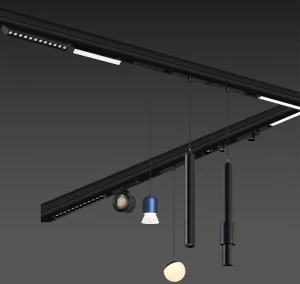
Explore our high-performance, precision-engineered commercial LED track lights, ultra-thin magnetic rails, and structural linear panel options. These solutions are built to exceed international building codes and project standards.
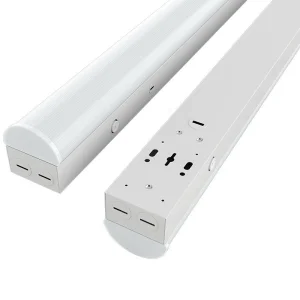
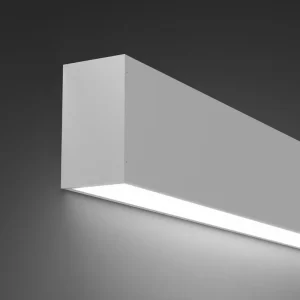
Modern architectural design requires structural elements that merge seamlessly into surfaces while maintaining maximum efficiency. The emergence of the Low Profile Light Panel has fundamentally changed how mechanical, electrical, and plumbing (MEP) systems interact with suspended ceiling layouts. Rather than accommodating bulky fixtures that demand large ceiling voids, modern engineering solutions focus on minimizing depths down to 10-12mm without sacrificing luminaire efficacy or light quality.
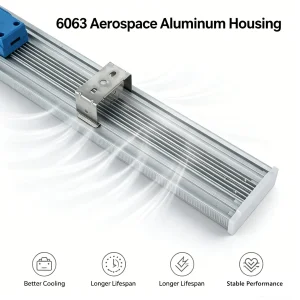
By using custom light guide plates (LGP) made from high-grade polymethyl methacrylate (PMMA) alongside precise optical diffusion sheets, low profile panels deliver uniform surface luminance. This approach eliminates the hotspots commonly found in traditional back-lit configurations. The structural design works as a large-scale thermal management system. High-performance aluminum alloy profiles (specifically 6063-T5) conduct thermal energy away from the micro-SMD arrays, extending the operational life of the LEDs past 50,000 hours (L80B10 metrics).
Ultra-thin profiles minimize the plenum space needed in modern concrete structures, leaving more room for HVAC systems and structural beams while maintaining comfortable ceiling heights.
Utilizing micro-prismatic diffusers to keep glare metrics below UGR 19, which complies with EN 12464-1 standards for high-productivity workspaces and offices.
Architectural aluminum alloys work as passive heatsinks, keeping junction temperatures low. This helps maintain stable color temperatures (CCT) over the lifetime of the fixture.
Founded in 2010, Guangdong Vactrim Light Co., Ltd. is a high-tech manufacturer specializing in the research, engineering, manufacturing, and global supply of professional commercial LED lighting systems. With a strong commitment to quality and technical innovation, Vactrim is a reliable partner for commercial, industrial, hospitality, retail, and architectural projects worldwide.
Over the past decade, Vactrim has continuously upgraded its production facilities, automated manufacturing processes, and testing equipment. Our product catalog includes LED track lights, downlights, spotlights, linear profiles, magnetic lighting tracks, and custom architectural fixtures designed to meet high standards of performance and aesthetics.
Our management and engineering teams bring over 10 to 15 years of industry experience across R&D, structural design, optical engineering, and international standards compliance. This background enables us to deliver reliable OEM and ODM support, detailed lighting simulations, and customized solutions for developers, architects, and engineering firms globally.
Guided by the core principles of "Innovation, Quality, Efficiency, and Customer Satisfaction," Vactrim works to build long-term relationships through transparent operations, structured quality control, and dependable global support. Our facilities are certified under ISO 9001:2015, and our systems conform to international safety and environment regulations, including CE, CB, RoHS, SAA, TUV, and SASO, ensuring smooth customs processing and building approvals in global jurisdictions.
Low-profile light panels must be tailored to meet the distinct engineering standards, architectural trends, and building codes of different global regions. Below, we look at how these products are deployed in key global markets:
Focuses on Plenum-rated safety standards (UL 2043) and energy efficiency compliance for DLC Premium certification. Typical installations use 2x2 and 2x4 configurations with field-selectable CCT (3500K/4000K/5000K) and integrated 0-10V dimming. These fixtures fit cleanly into shallow T-bar suspended ceiling grids.
Projects prioritize low glare (UGR < 19) to meet EN 12464-1 workspace standards, along with high CRI (Ra > 90) for accurate color rendering. Dali-2 dimming and circular economy compliance (replaceable drivers) are standard requirements. Systems are often configured as plaster-in trimless panels or suspended minimal profiles.
Demands strict AS/NZS compliance, SAA certifications, and IC-4 insulation ratings for recessed models. High-efficiency luminaires (up to 140 lm/W) are favored to align with building efficiency programs like NABERS. Projects also request strong resistance to high ambient temperatures in tropical zones.
Must withstand voltage fluctuations and sustained high temperatures. Components require SASO approval and high-spec internal drivers (such as Lifud or Mean Well) that can operate reliably under thermal load. The focus is on durable design to minimize maintenance in large retail and airport developments.
| Application Environment | UGR Rating | IP Rating | Required Control Protocol | Key Technical Feature |
|---|---|---|---|---|
| Commercial Offices (Corporate, Co-working) | < 19 | IP20 / IP40 | DALI-2 / 0-10V / Zigbee | Daylight harvesting compatibility, Tunable White CCT |
| Healthcare Facilities (Wards, Dental clinics) | < 22 | IP54 / IP65 | PWM / DALI-2 | Antibacterial coatings, dust-sealed gaskets, seamless frame |
| High-End Retail & Showrooms | < 22 | IP40 | DALI / Phase Cut | CRI Ra>95, high R9 value (>60) for vibrant colors |
| Educational Institutions (Classrooms) | < 19 | IP40 | 0-10V / Smart IoT | Flicker-free performance (IEEE 1789), uniform diffusion |
As solid-state lighting technology matures, R&D priorities are shifting from basic efficacy toward structural integration, smart control systems, and human-centric design. Vactrim's development team focuses on three core areas:
Developing next-generation light sources that mirror natural sunlight patterns. By blending warm and cool white SMD LEDs, our upcoming panels can adapt their color temperature dynamically from 2700K to 6500K throughout the day, supporting natural circadian rhythms in indoor workspaces.
Future low-profile drivers will integrate IoT chips supporting Matter, Thread, and Bluetooth mesh standards. This allows direct communication with building management systems (BMS) for real-time energy usage monitoring, automated diagnostic reporting, and predictive maintenance scheduling.
We are testing bio-based polymers to replace standard fossil-fuel plastics in light guide plates. This shift, combined with easily disassembled aluminum frames, will help reduce the environmental footprint of our products throughout their life cycle.
Guangdong's Pearl River Delta is a major hub for LED lighting manufacturing, offering access to high-quality components, advanced materials, and manufacturing expertise. Operating in this region allows Guangdong Vactrim Light Co., Ltd. to optimize production efficiency and quality control:
We source raw materials, process aluminum profiles, assemble PCBs, and run photometric tests within a single region. This compact supply chain shortens lead times, simplifies communication, and reduces production costs compared to fragmented networks.
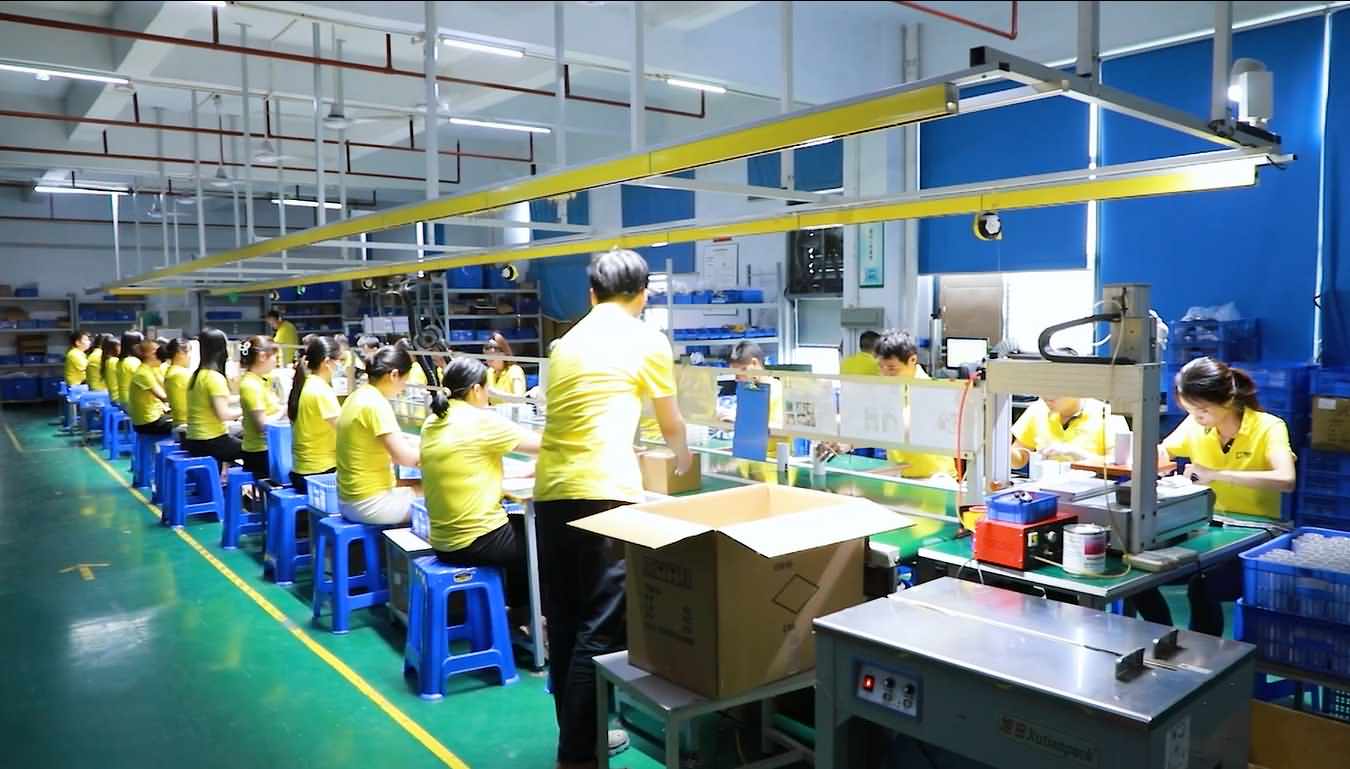
By investing in automated solder-paste printing, SMT lines, CNC milling, and automated optical inspection (AOI), we achieve high repeatability, minimize defects, and keep production yields steady for large-scale orders.
Proximity to key shipping hubs in Shenzhen, Guangzhou, and Hong Kong allows us to offer flexible shipping terms (FOB, CIF, DDP, EXW) and ensure timely delivery through air, ocean, or rail freight.
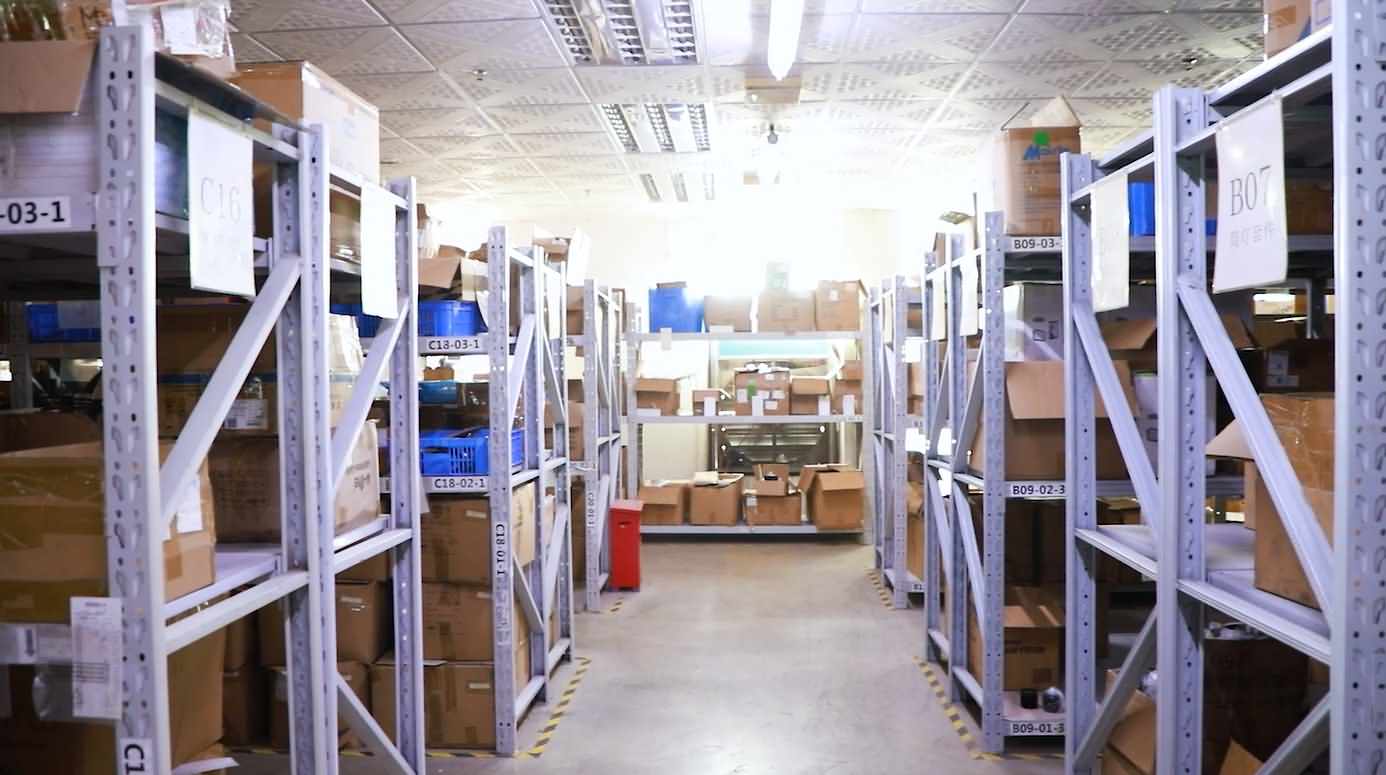
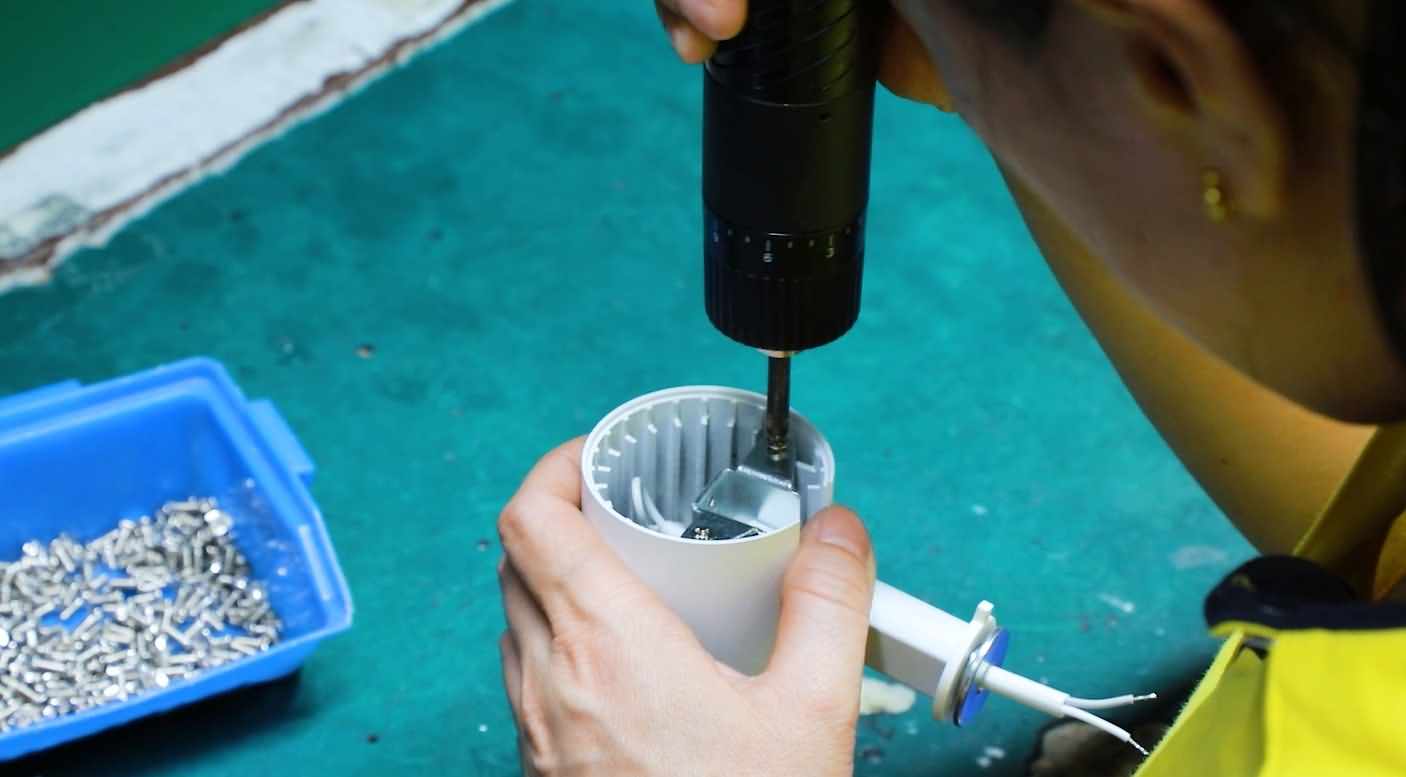
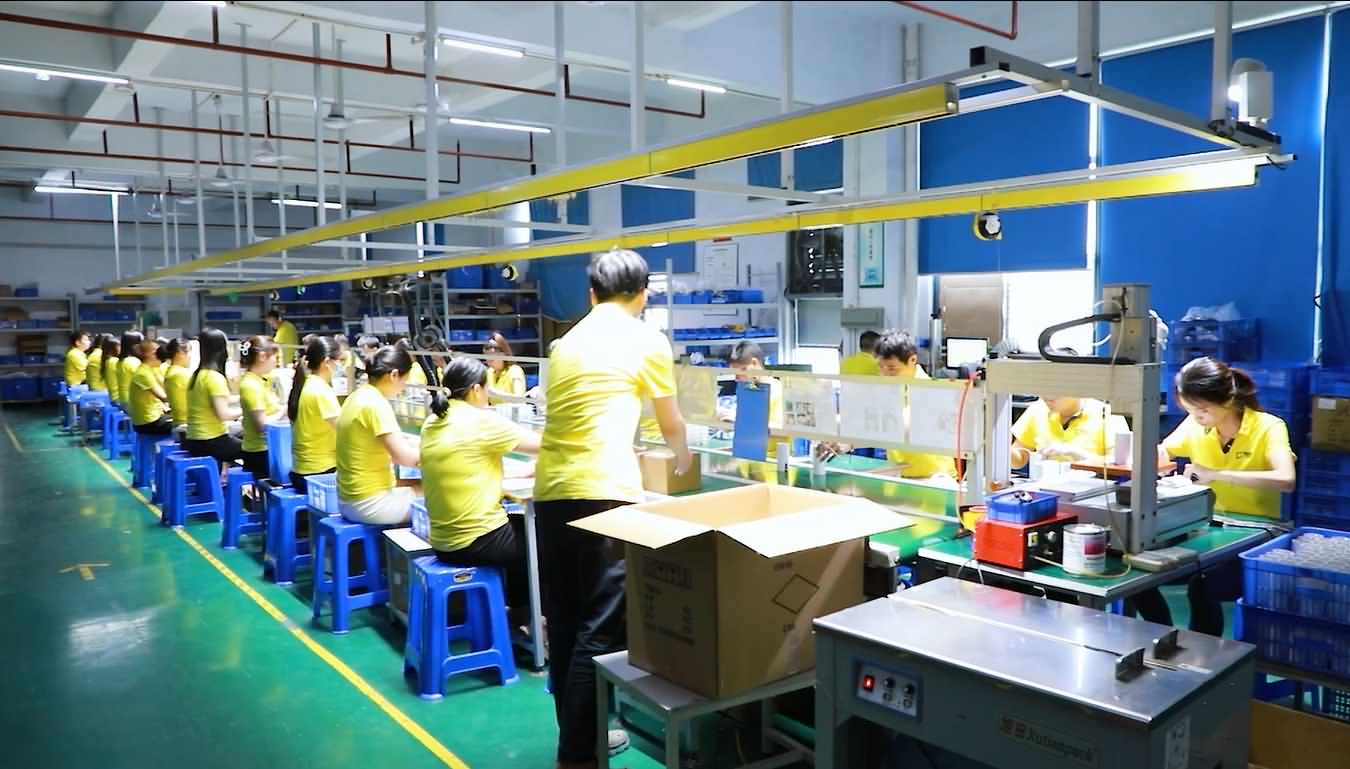
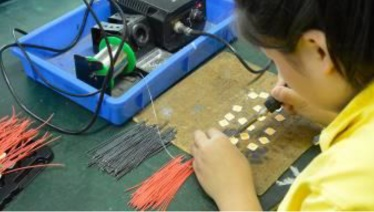
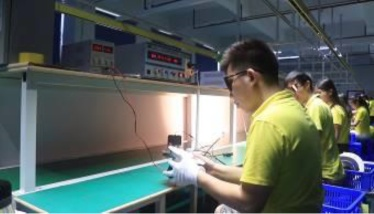
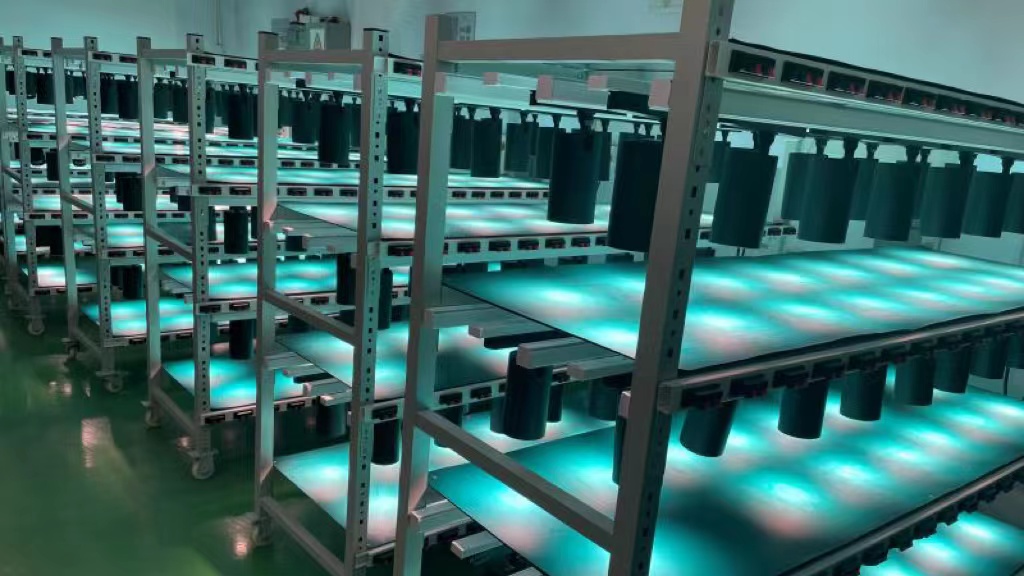
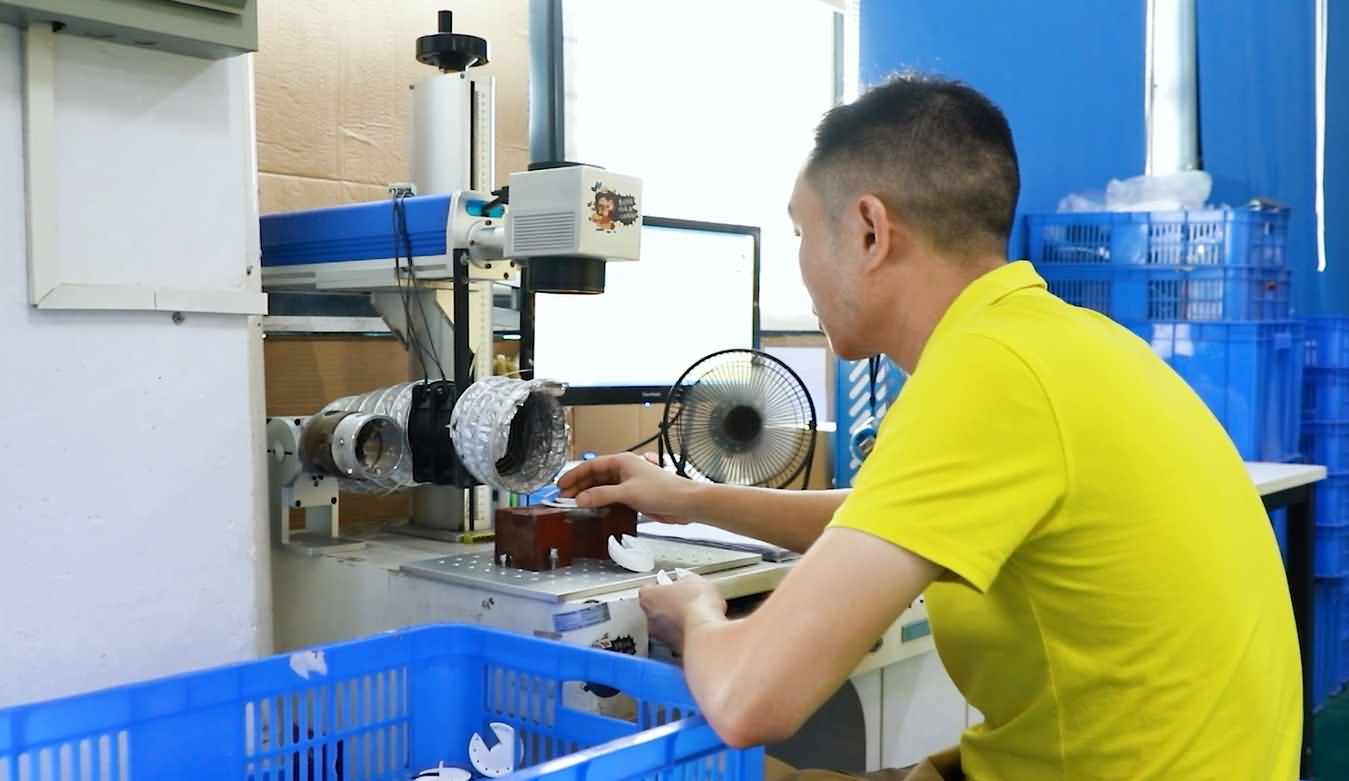
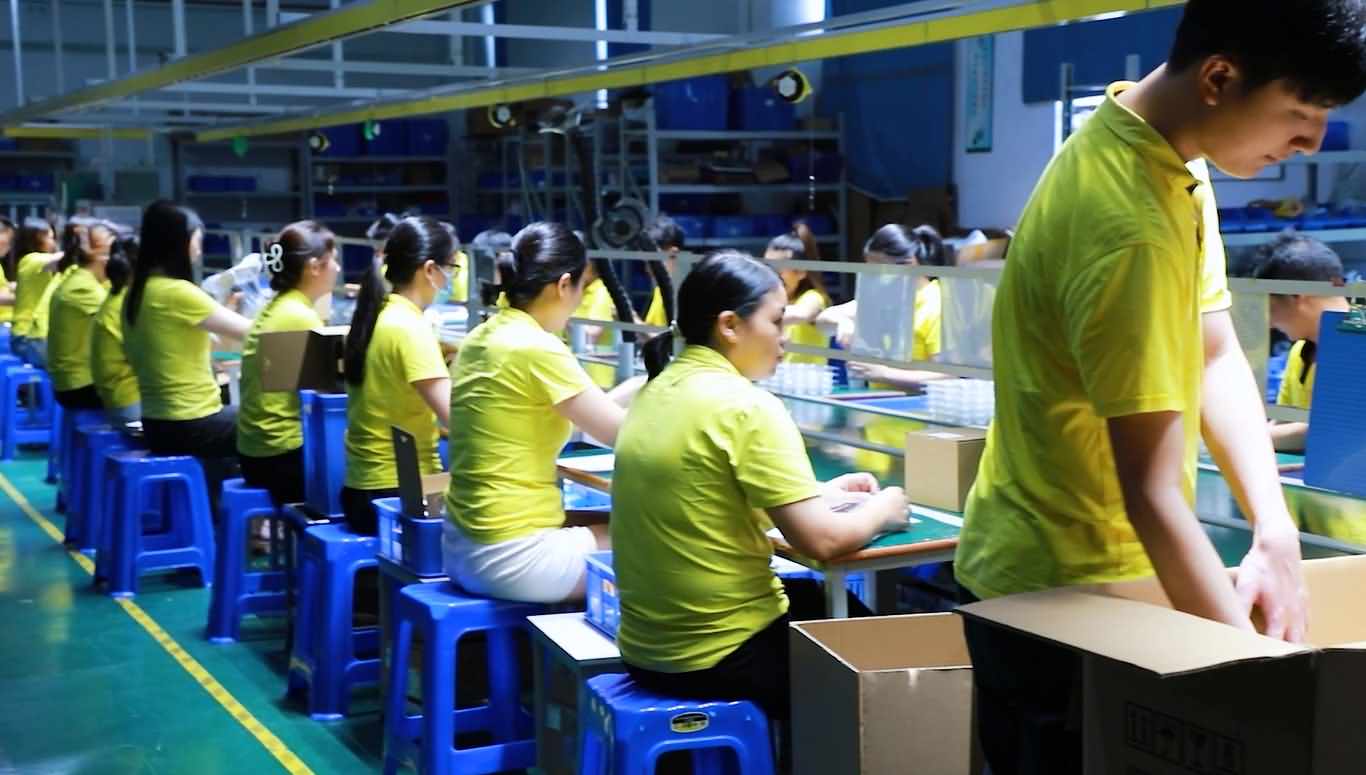
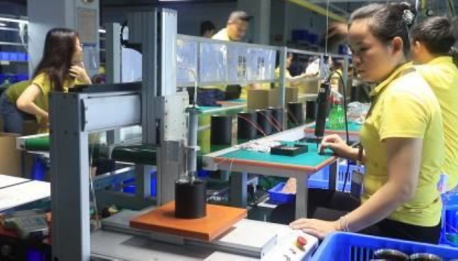
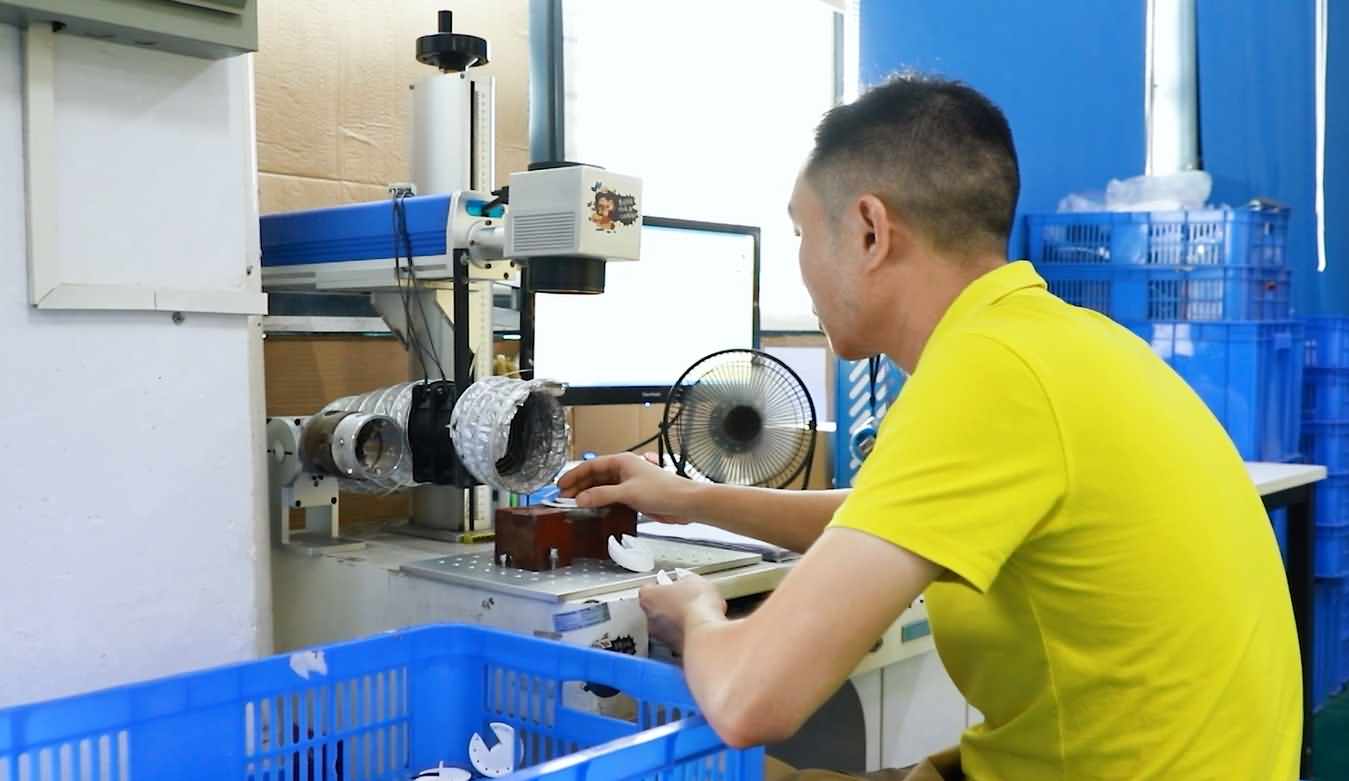
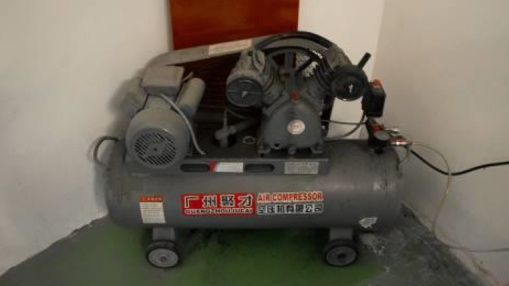
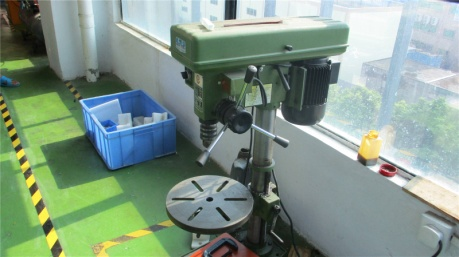
Quality assurance is embedded in every stage of our production process, from checking incoming raw materials to final functional testing. Below is an overview of the manufacturing workflow at our Guangdong facility:
Working with international projects means satisfying diverse electrical safety, electromagnetic compatibility, and environmental impact rules. Vactrim design teams test and certify all commercial configurations to meet standard global parameters:
Mandatory for European markets, verifying that our products are free of hazardous substances (lead, mercury, cadmium) and comply with essential health, safety, and environmental protection requirements.
These certifications provide independent verification of electrical safety and build quality, confirming that our fixtures meet international IEC standards for long-term operational safety.
Enables direct importation and installation in Australia, New Zealand, and Saudi Arabia, meeting local requirements for grid stability, thermal performance, and plugs/connectors.
Our engineering files are documented in standard formats, including IES and LDT photometric profiles. This allows lighting designers and MEP consultants to import our models directly into DIALux or Relux software for precise calculations of illuminance, glare, and energy consumption before ordering.
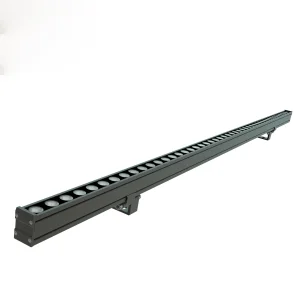
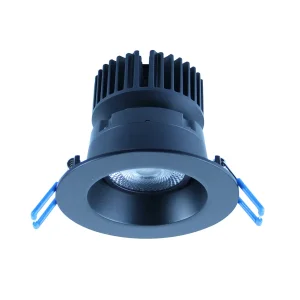
Discover our range of IP-rated wall washers, recessed downlights, and commercial linear systems designed for demanding interior and exterior environments.