Vactrim Light
Vactrim Light
Vactrim Light
Explore our foundational range of premium anti-glare downlights, linear systems, and architectural solutions engineered to match retro styling priorities with contemporary solid-state optical performance.
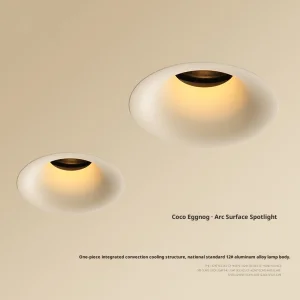
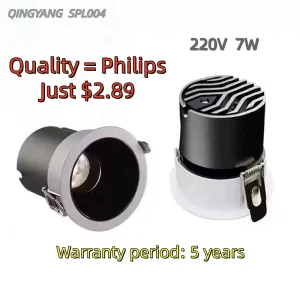
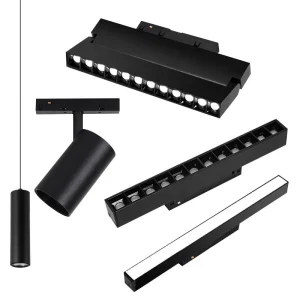
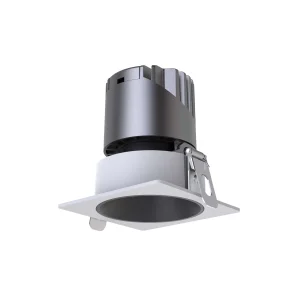
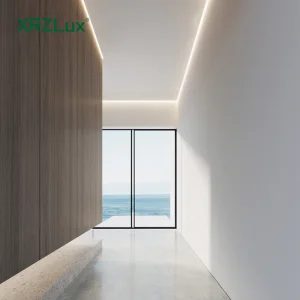
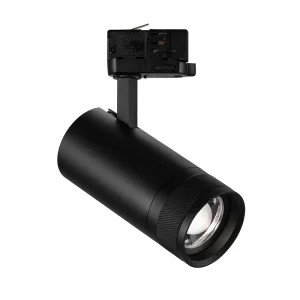
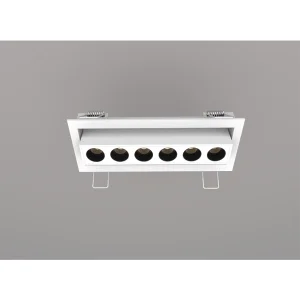
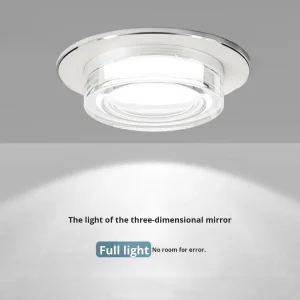
In the contemporary architectural and interior design landscapes, light is no longer treated merely as a functional utility; it is a critical medium that influences human mood, accents structural layers, and establishes cultural authenticity. The global resurgence of vintage-style LED lighting reflects a deep consumer yearning for the warm, historic ambience of the late 19th-century Edison carbon-filament lamps, but with the severe operational limitations of incandescent technology removed. For lighting distributors, procurement managers, and commercial real estate developers, finding reliable CE certified vintage style LED light manufacturers & suppliers is essential to ensure that products meet stringent electrical, safety, and energy efficiency regulations while delivering high aesthetic value.
Vintage style LED lights, primarily defined by visible chip-on-glass (COG) light-emitting filaments, amber-tinted or smoky glass envelopes, and low color temperatures (ranging from 1800K to 2400K), face distinct engineering challenges. Achieving high Luminous Efficacy (lm/W), maintaining precise color rendering (CRI > 90, R9 > 50), and ensuring a reliable lifespan of up to 30,000 hours requires highly sophisticated manufacturing frameworks. By integrating state-of-the-art COB semiconductor technology with traditional glassblowing crafts and modern driver topologies, premier manufacturers like Guangdong Vactrim Light Co., Ltd. are driving the renaissance of retro light styles.
The global market for vintage LED lighting has expanded beyond residential novelty into major commercial, hospitality, and municipal retrofitting projects. According to recent industrial data, the vintage and decorative LED segment is growing at a compound annual growth rate (CAGR) of over 8.4%. This expansion is driven by a series of shifts in the commercial real estate and hospitality sectors:
Concurrently, European regulatory trends, notably the European Union’s Ecodesign Regulation (EU) 2019/2020 (ErP Directive), have set a higher bar for energy efficiency, flicker index, and stroboscopic visibility measures (SVM). For B2B importers, compliance with CE directives is no longer optional; it is the entry ticket to high-value markets. Manufacturers in lighting production hubs, such as Guangdong, China, have responded by upgrading their fabrication plants, implementing automated testing routines, and refining raw material choices to meet these rigorous standards.
To source effectively, purchasing managers must understand the core components that distinguish low-grade copycats from high-performance, CE certified commercial products:
A vintage LED bulb uses linear filament structures consisting of multiple small LED chips mounted on a transparent substrate (sapphire or glass). Synthetic sapphire substrates offer superior thermal conductivity and light transmission compared to budget-level metal-based substrates, preventing dark areas and guaranteeing 360-degree light distribution. Inside these filaments, the formulation of the encapsulating phosphor gel determines the Color Rendering Index (CRI) and the specific chromaticity point. Top-tier suppliers use specialized combinations of red and green phosphors to deliver rich warm gold outputs (e.g., 2200K) without drifting into unnatural green or pink hues.
The life-limiting factor of any LED light is its driver. Because vintage lamps feature compact bases (typically E27, E26, B22, or E14), drivers must be miniaturized while maintaining high electrical robustness. Standard vintage bulbs suffer from flicker because they use simple capacitive-drop circuits. In contrast, CE certified products leverage isolated linear IC drivers or miniature flyback converters that feature active power factor correction (PFC > 0.9) and a total harmonic distortion (THD) below 15%. This architecture is compatible with leading commercial dimming systems (Triac, ELV, and DALI), allowing linear dimming down to 1% without hum or visual stroboscopic effects.
In accordance with CE directive EN 62471, vintage LED lamps must undergo photobiological hazard testing. Standard cool-white LEDs emit a peak of blue light that can cause retinal stress. Professional vintage LED manufacturers utilize warm, high-wavelength phosphors that reduce the blue-light hazard group rating to Exempt (RG0), ensuring total safety in low-altitude, exposed hanging installations.
Unlike traditional LEDs that dissipate heat through solid metal heat sinks, vintage filament lamps rely on gas convection inside the sealed glass envelope. The chamber is vacuumed and backfilled with a mixture of helium (He) and hydrogen (H2) or argon (Ar). Helium acts as an exceptionally efficient thermal conductor, transferring heat from the micro-LED chips directly to the glass surface, maintaining junction temperatures below 85°C. Lower junction temperatures translate directly to minimal luminous decay over the product’s operating life.
Founded in 2010, Guangdong Vactrim Light Co., Ltd. is a modern high-tech enterprise specializing in the research, development, design, manufacturing, sales, and service of professional commercial and vintage-style LED lighting solutions. With a strong commitment to innovation, quality, and sustainability, Vactrim has become a trusted partner for customers worldwide in the commercial, industrial, hospitality, retail, and architectural lighting sectors.
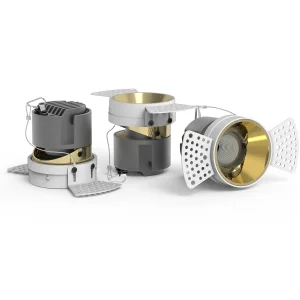
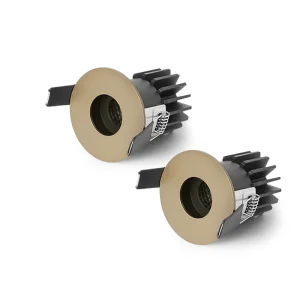
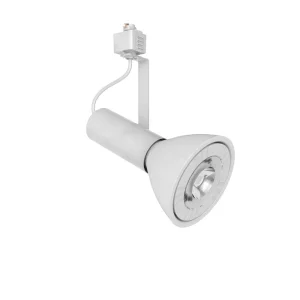
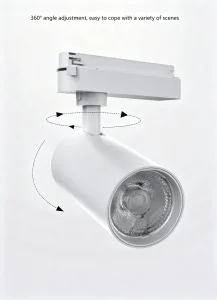
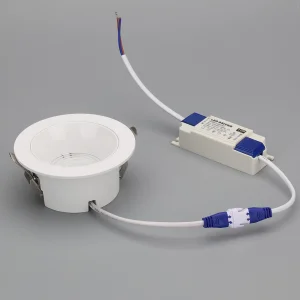
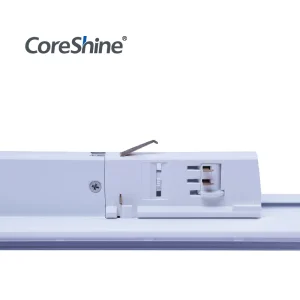
Over the years, Vactrim has continuously invested in advanced technologies, intelligent manufacturing systems, and product innovation to meet the evolving demands of the global lighting market. Our comprehensive product portfolio includes LED track lights, downlights, spotlights, linear lights, magnetic lighting systems, and customized retro solutions designed to enhance both functionality and visual experience.
Our core management and technical team possesses more than 10–15 years of extensive experience in lighting product development, engineering, procurement, production management, and international business operations. This expertise enables us to provide professional support, efficient project management, and reliable OEM/ODM services for customers around the world. Guided by the philosophy of "Innovation, Quality, Efficiency, and Customer Satisfaction," Vactrim strives to build long-term partnerships through continuous technological advancement, superior product performance, and exceptional customer service.
Quality is the foundation of Vactrim's sustainable development. The company has established a comprehensive quality management system and has successfully obtained ISO 9001:2015 Quality Management System Certification. Our products comply with international standards and have obtained various certifications, including CE, CB, RoHS, SAA, TUV, SASO, and other market-specific approvals, ensuring smooth access to global markets.
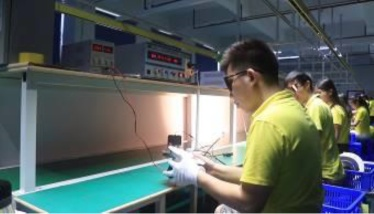
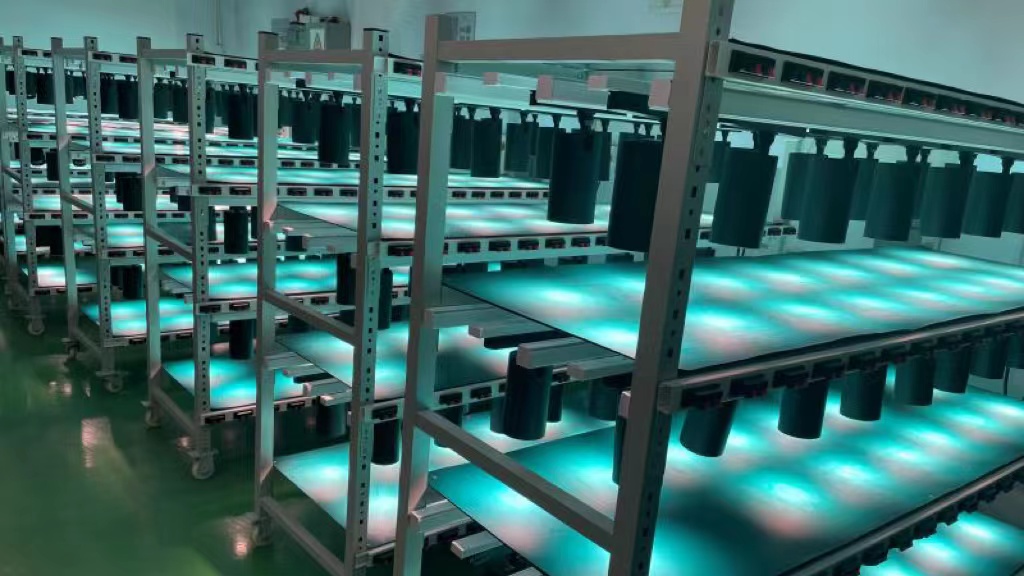
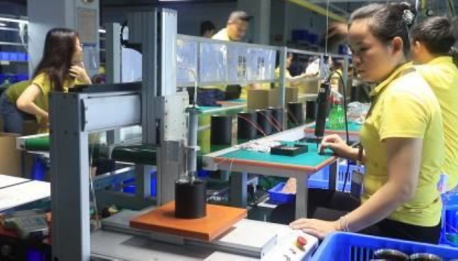
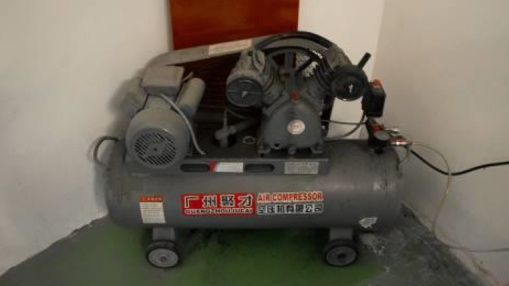
Each vintage and commercial LED luminaire undergoes an extensive multi-step assembly, bonding, and testing procedure to comply with global CE standards.

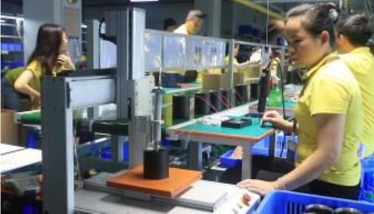
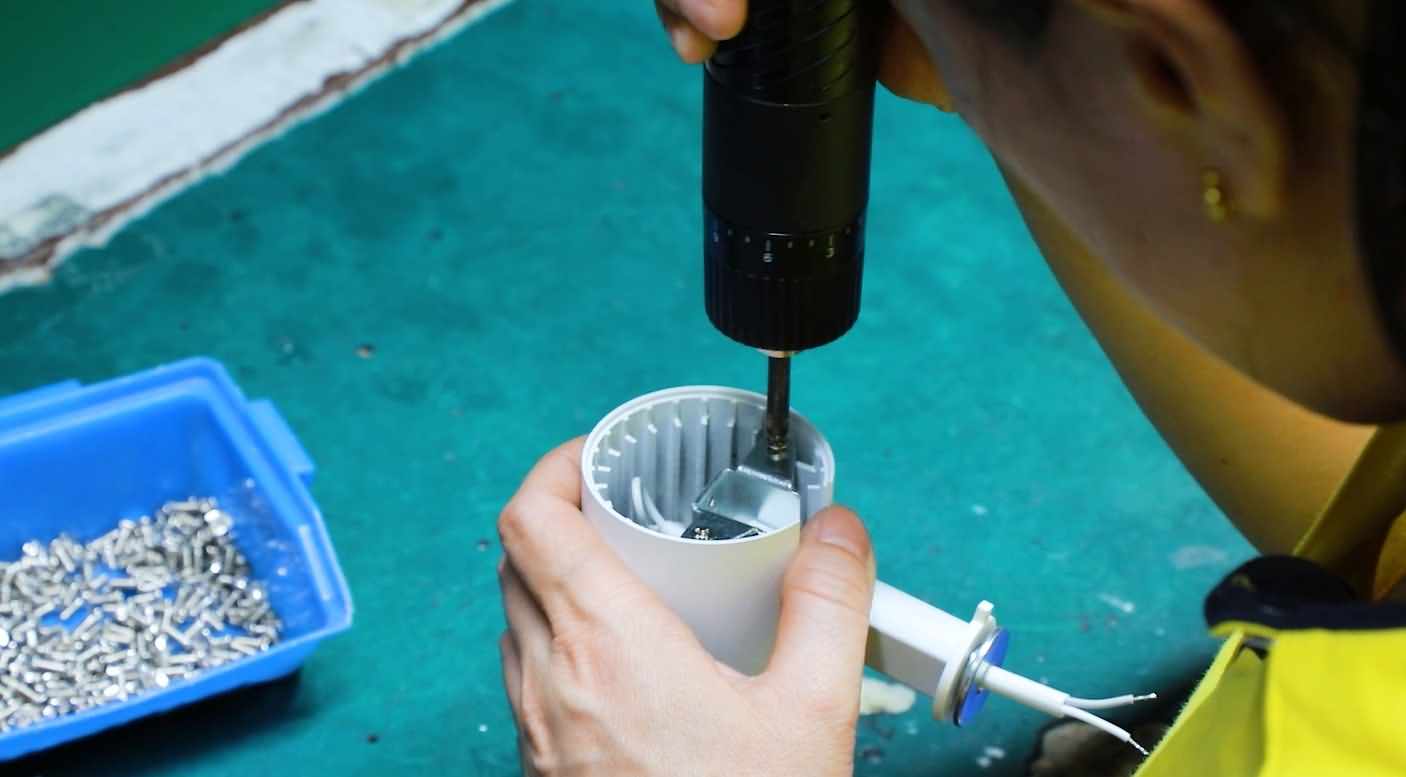
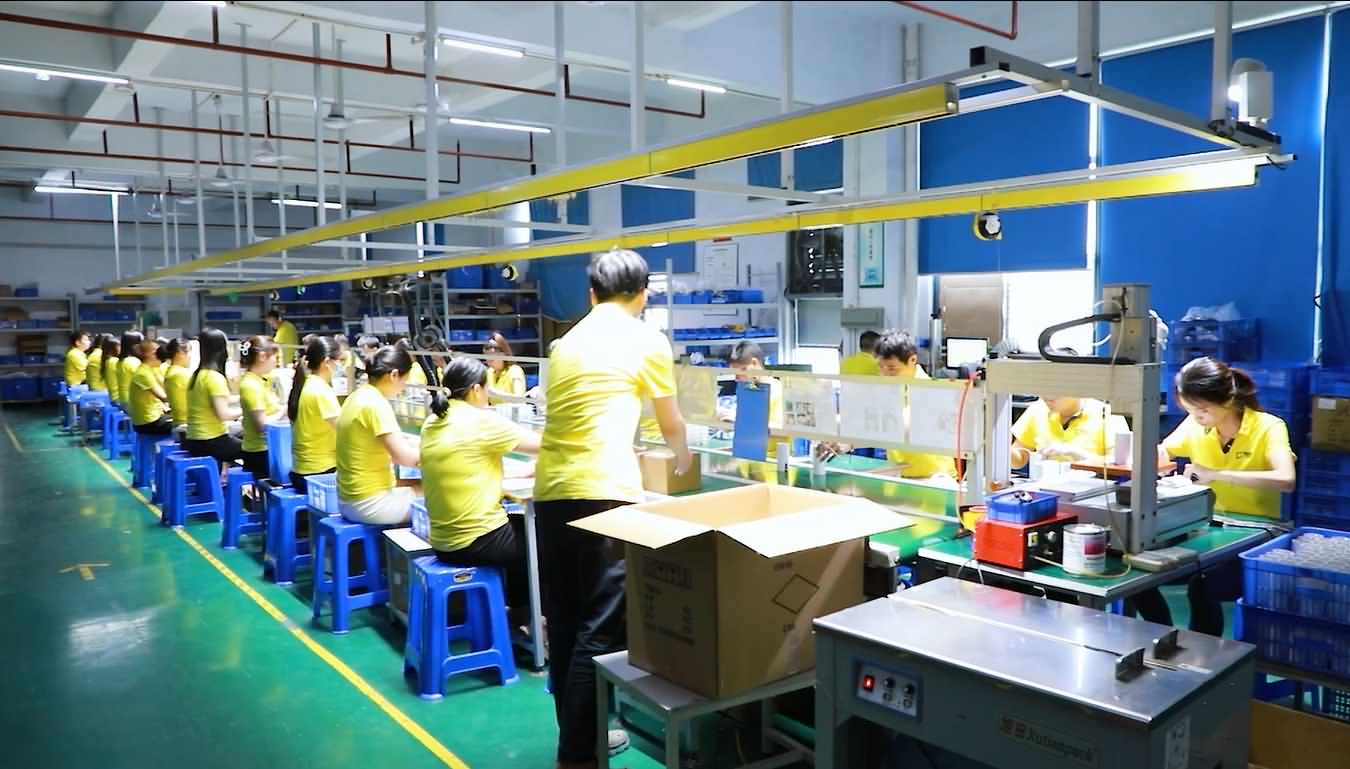
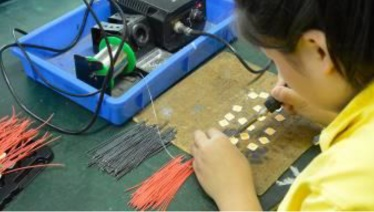



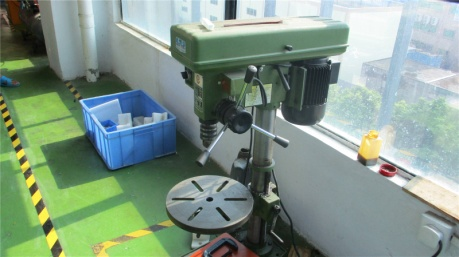
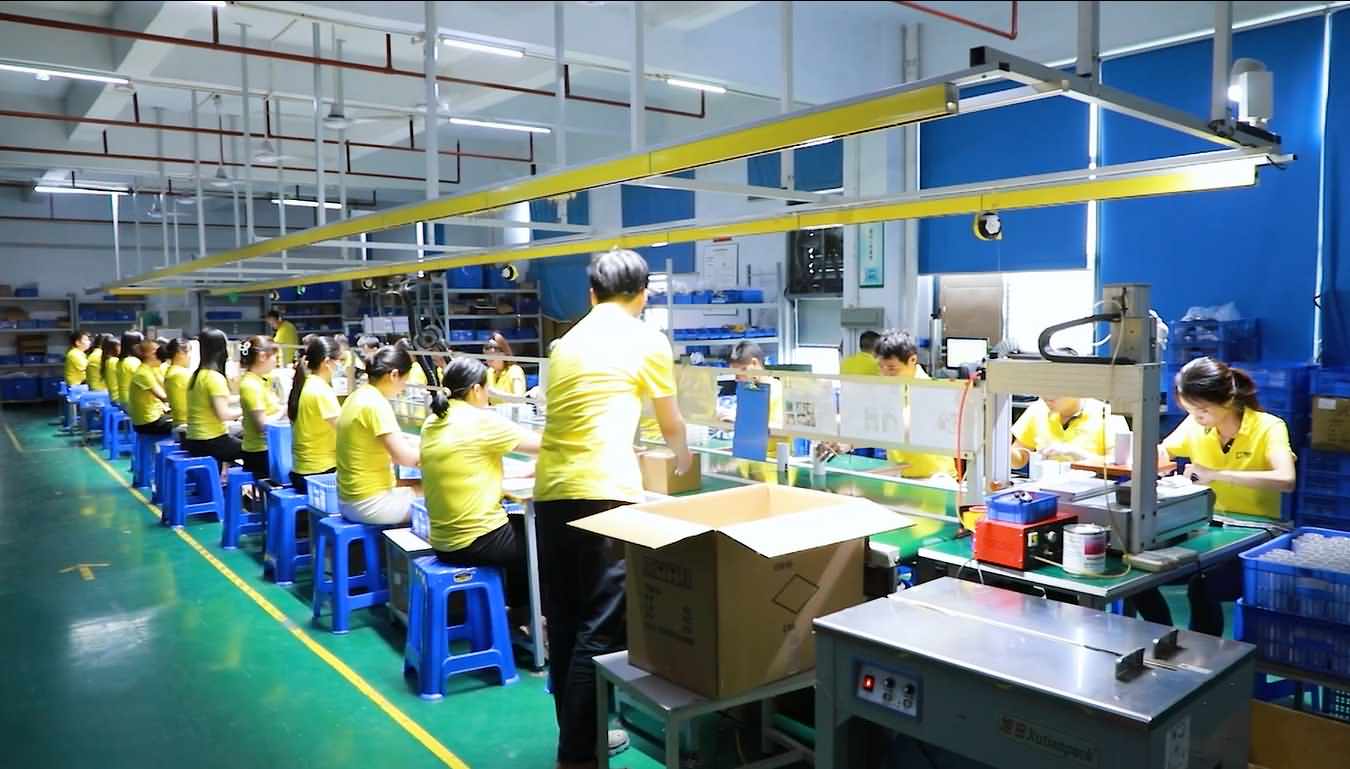
When distributing or importing lighting products in the European Economic Area (EEA), the CE mark is a legal confirmation of compliance with safety, health, and environmental standards. For vintage style LED luminaires, the certification process is divided into several directives:
The LVD covers health and safety risks associated with electrical equipment operating between 50V and 1000V AC. It ensures that vintage bulbs, which directly connect to grid voltage (typically 220-240V in Europe), present no shock or fire hazard. Essential standards evaluated under LVD include:
LED drivers utilize high-frequency switching circuits that can generate electromagnetic interference (EMI). The EMC directive ensures the lamp does not disrupt other devices (such as Wi-Fi routers or medical equipment) and is immune to external electrical disturbances. Key testing standards include:
RoHS restricts the use of specific hazardous materials in electronic products, including lead, mercury, cadmium, and hexavalent chromium. In vintage style LED bulbs, this regulation directly applies to the lead-free solder used to attach the filaments, the composition of the glass base, and the chemical composition of the driver circuit board.
The versatility of modern vintage-style LED systems allows them to adapt to varied local markets across Europe, North America, and Australia. Below are key commercial deployment configurations:
In cities like Paris, Rome, London, and Munich, municipal regulations dictate strict visual consistency for heritage sites. Standard modern LED fixtures clash with 19th-century cast-iron street lamps, gas-lamp replicas, and cathedral chandeliers. High-power, heavy-duty vintage filament bulbs with a 2000K amber glow provide the correct historical light footprint while adhering to modern municipal energy budgets.
Luxury fashion and lifestyle brands use warm, high-CRI vintage LED accent spots to cultivate an exclusive, artisanal atmosphere. These spaces require high-end color rendition (CRI Ra 95, R9 > 90) so that rich textile colors, wooden shelving, and leather goods are represented with absolute accuracy. Integrating deep anti-glare downlights with vintage filaments maintains this visual luxury while keeping glare indicators (UGR) under 19.
Modern clinical studies have shown that cool white light (containing high levels of blue light) inhibits melatonin production. In residential bedrooms, luxury villas, and spas, designers use dim-to-warm vintage LED luminaires. By dimming the lights, the color temperature naturally shifts from 2700K down to a sunset-like 1800K, aligning with the natural human circadian rhythm.
The technical evolution of vintage LED styling continues to advance. Sourcing professionals should focus on key innovations currently moving from R&D lines to industrial production:
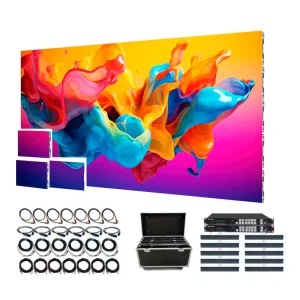
Explore our high-performance architectural spotlights, magnetic track modules, and large-scale staging displays optimized for professional integration and commercial compliance.