Vactrim Light
Vactrim Light
Vactrim Light
In modern Australian architectural design, glare mitigation is no longer an afterthought; it is a critical specification. Melbourne's premium residential and commercial sectors demand lighting systems that offer superior visual comfort without compromising on output or aesthetic appeal. Below are our top-selected deep baffle downlights engineered to satisfy these stringent requirements, featuring deep recess engineering, precision beam control, and high Unified Glare Rating (UGR) mitigation metrics.
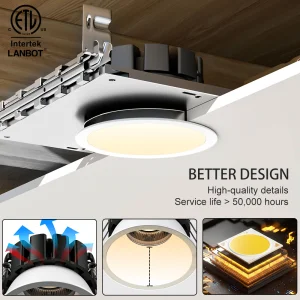
Melbourne, Australia’s cultural and design capital, is characterized by its bold commercial sky-rises, heritage transformations, and high-end residential suburbs such as Toorak, Brighton, and Fitzroy. Architectural design firms in Melbourne increasingly mandate lighting fixtures that offer minimal visual disturbance. The concept of "quiet ceilings" has evolved from a luxury option into a standard engineering code for state-of-the-art office buildings, high-end hospitality venues, and galleries.
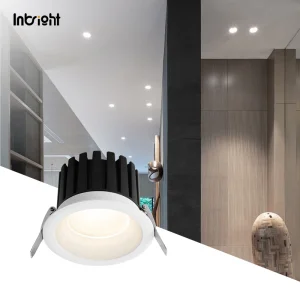
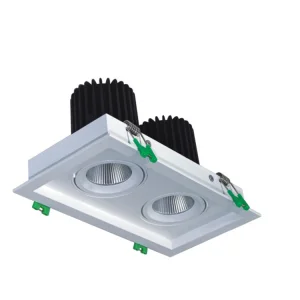
A deep baffle downlight is defined by its recessed light source position. The light-emitting engine (COB or SMD chip) is set deep inside a physical cone or baffle, positioning it far back from the ceiling plane. By increasing the physical cut-off angle, these fixtures dramatically restrict the field of view of the light source, virtually eliminating direct glare (UGR < 19, often approaching UGR < 10 in high-performance variations). For commercial workspaces in Melbourne CBD, this directly corresponds to improved worker productivity, minimized eye strain, and adherence to AS/NZS 1680 interior lighting standards.
Regulatory Alignment (AS/NZS Standards): When sourcing fixtures for Victoria projects, compliance with electrical safety regulations (SAA), electromagnetic compatibility (C-Tick/RCM), and mechanical integrity standards (such as IC-4 or IC-F insulation ratings) is non-negotiable. Our manufacturing process ensures that all deep baffle fixtures exported to Melbourne satisfy these local standards directly.
The shielding angle is the angle between the horizontal ceiling line and the line of sight where the bright emitting surface of the LED source becomes visible. Deep baffle downlights increase this angle up to 45° or more. This means pedestrians walking through a gallery or corporate office in Melbourne will only see light illuminating the space, not the glowing fixtures themselves, producing a clean, sophisticated architectural ambiance.
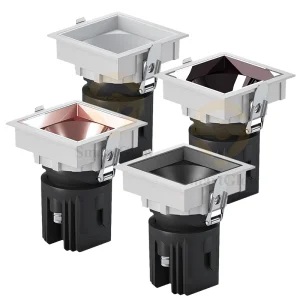
Baffle design dictates how stray light reflects off the inner walls of the downlight. Stepped baffles scatter stray rays outward at controlled angles, reducing secondary reflections that cause bezel glare. Honeycomb louvers restrict beam spreads further by acting as thousands of micro-baffles, capturing lateral rays and directing a collimated beam downward. This is highly suitable for art spaces, restaurants, and display window applications where high-contrast spotlighting is required.
Modern Melbourne residential specifications often integrate smart control environments such as DALI-2, Casambi, or Phase-Cut/Triac dimming. Our deep baffle fixtures support 5CCT (Color Temperature Selectable) switchable hardware, Dim-to-Warm technologies (warm amber glow at lower levels simulating halogen dimming), and dynamic tunable white engines. These features align with human-centric lighting protocols (HCL) that sync indoor spaces with circadian rhythms.
For architectural lighting distributors, project managers, and electrical wholesalers in Melbourne, sourcing directly from a reliable OEM/ODM manufacturer in China is the most effective way to secure high-quality fixtures at sustainable pricing. Guangdong Vactrim Light Co., Ltd., a leader in commercial lighting systems since 2010, bridges the gap between premium performance and cost-effectiveness. Our state-of-the-art production plant utilizes advanced manufacturing and automated assembly processes, ensuring consistent delivery schedules, compliance with international standards, and strict adherence to design requirements.
Our rigorous quality control framework spans the entire lifecycle of the downlight, from raw material inspection to automated aging tests. Below is an overview of our specialized production processes:
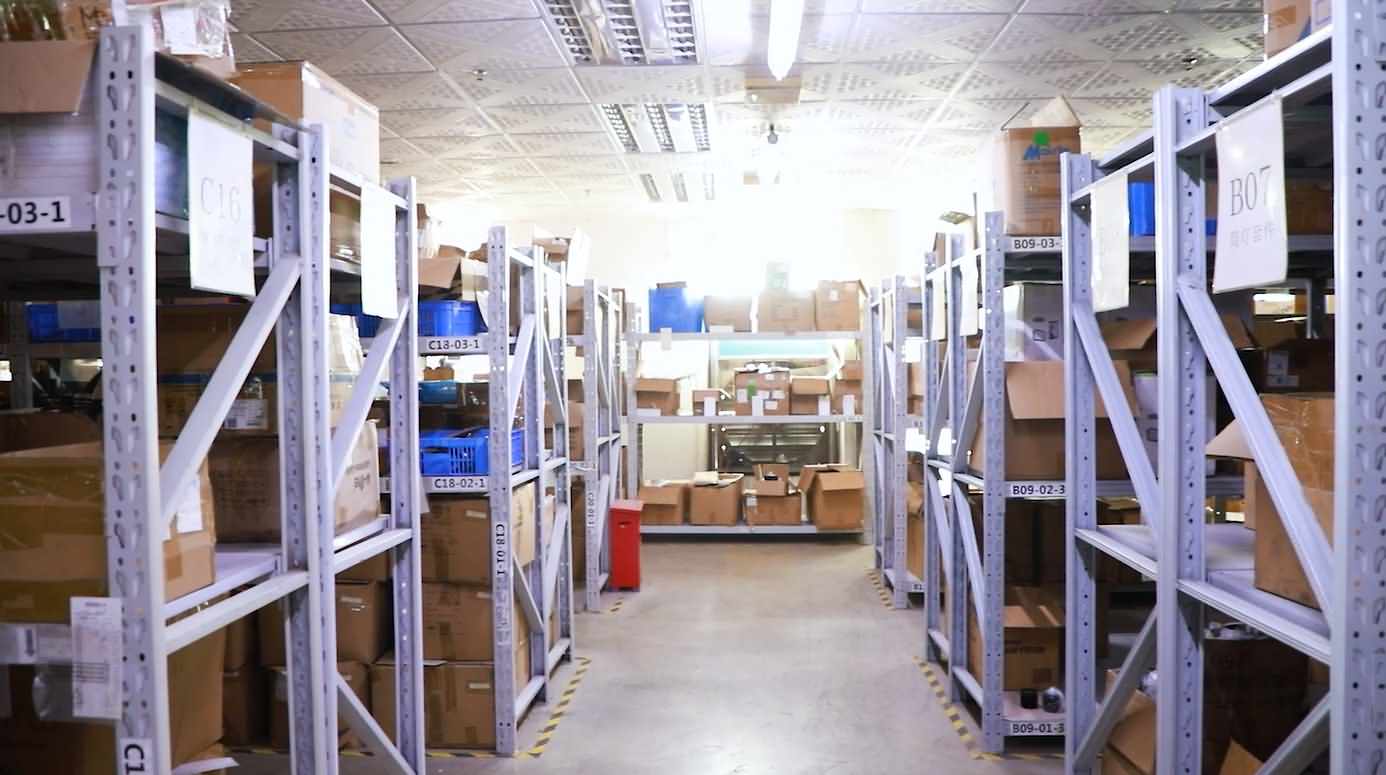
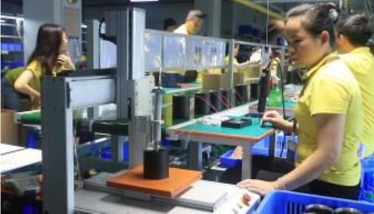
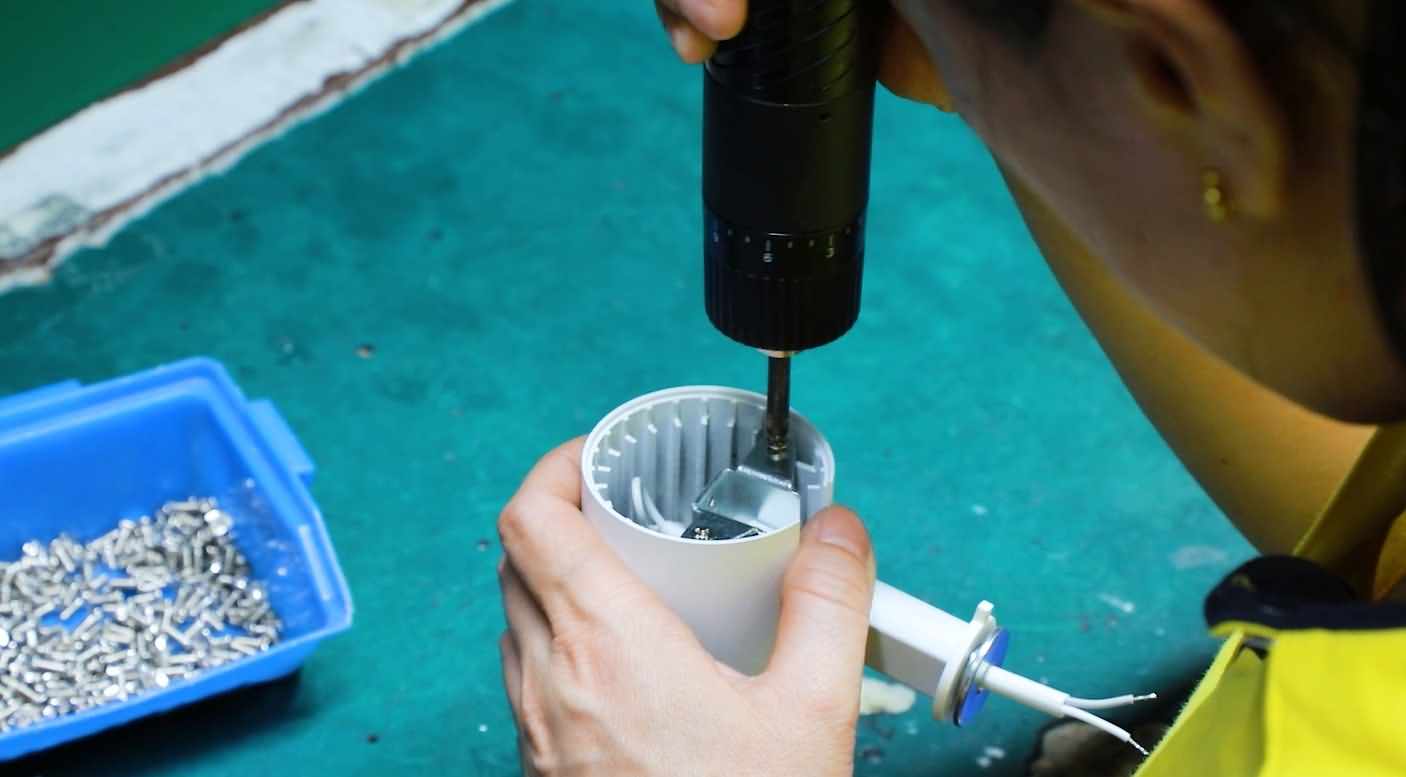
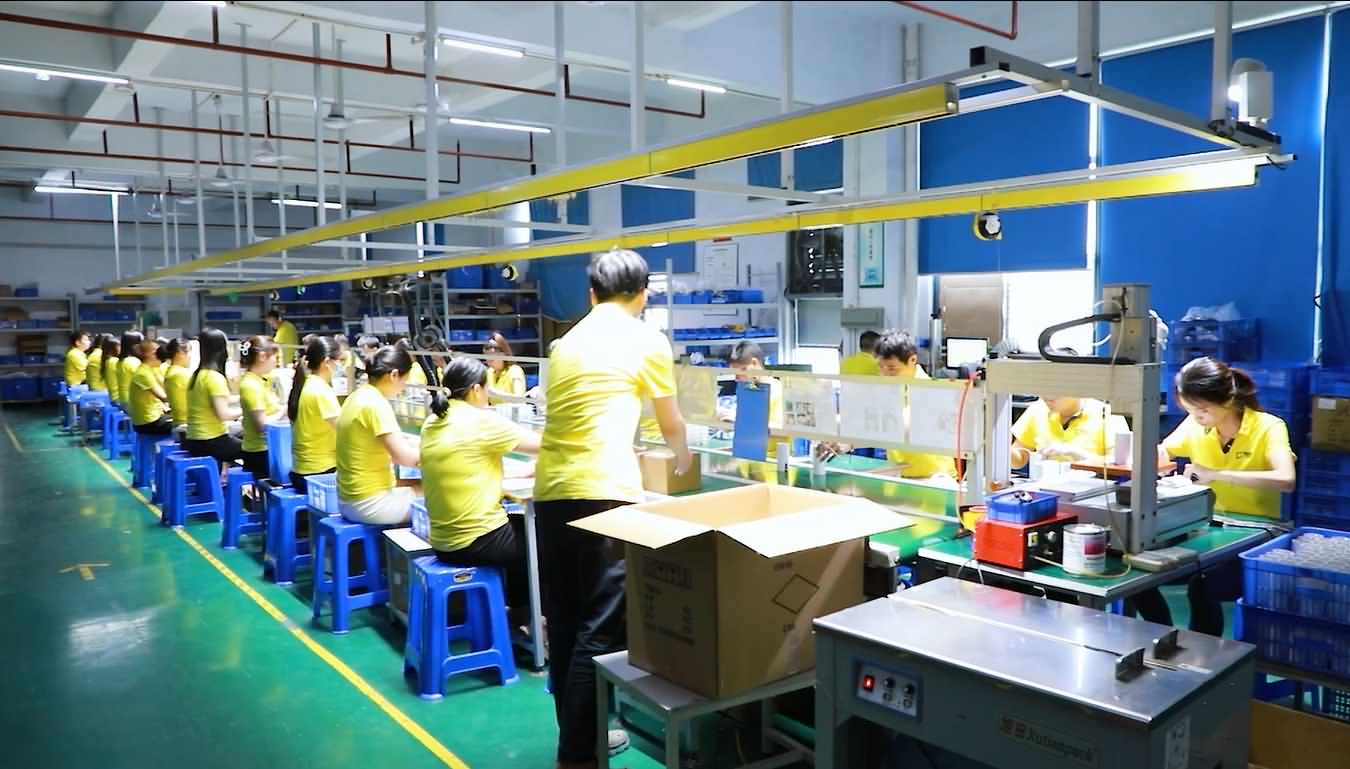
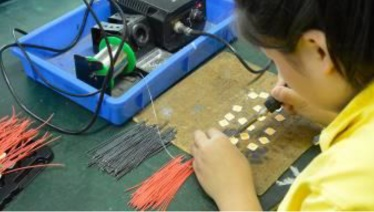
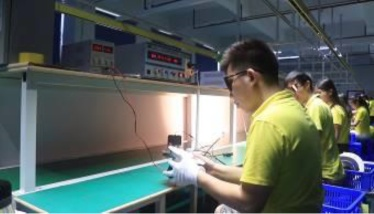
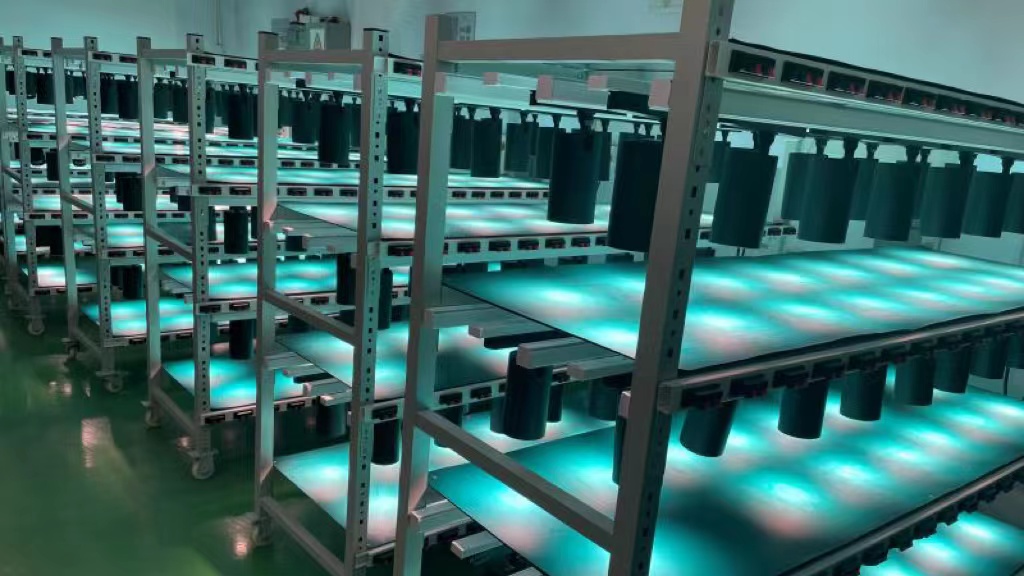
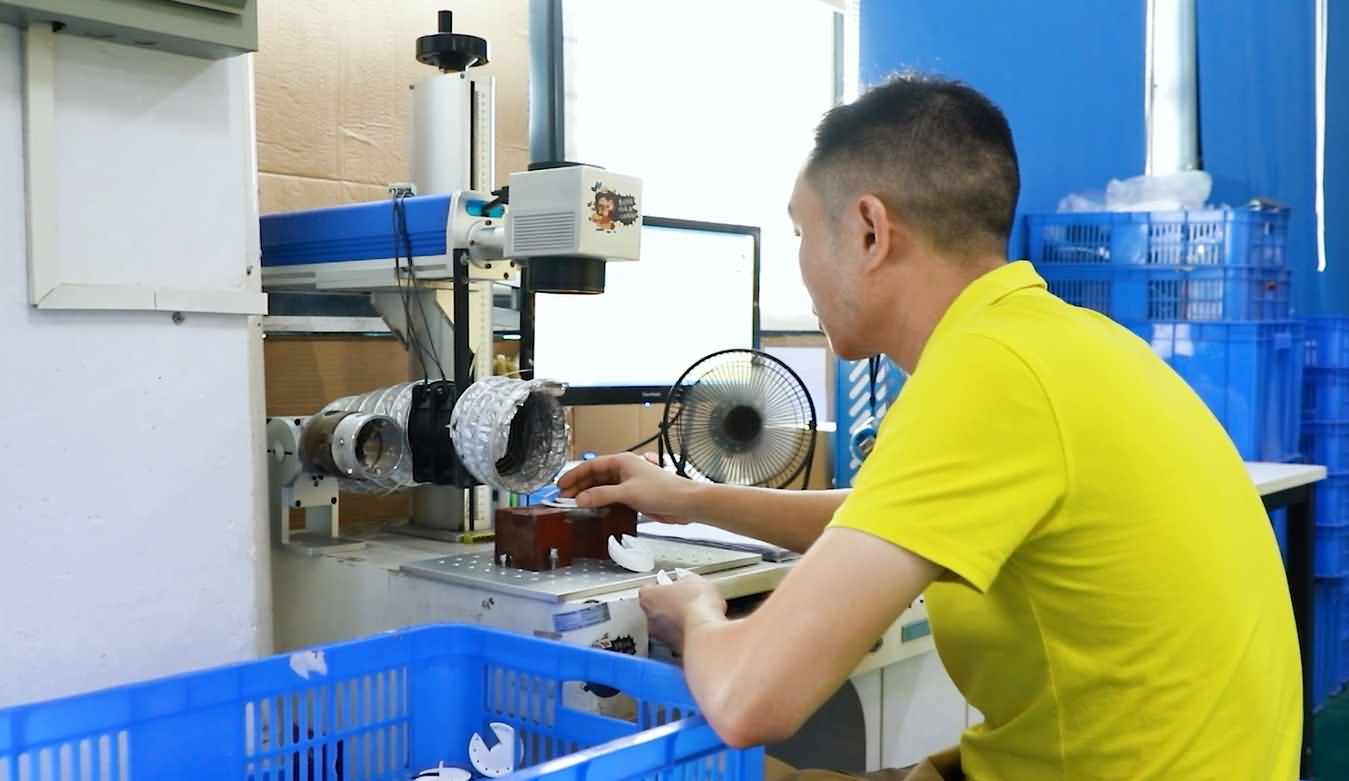
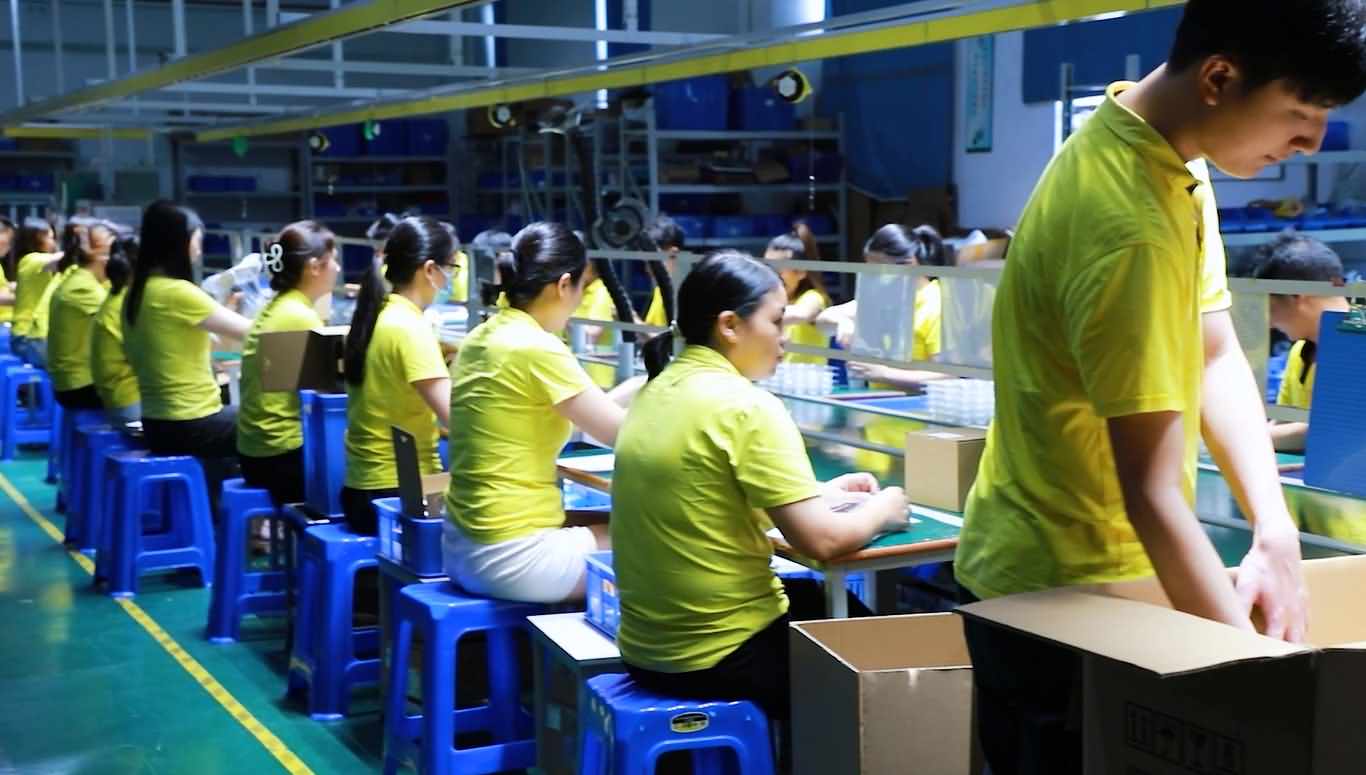
To maintain peak accuracy, our facilities are equipped with specialized machinery, ensuring consistent dimensions, optical alignment, and thermal performance across large-scale production runs:
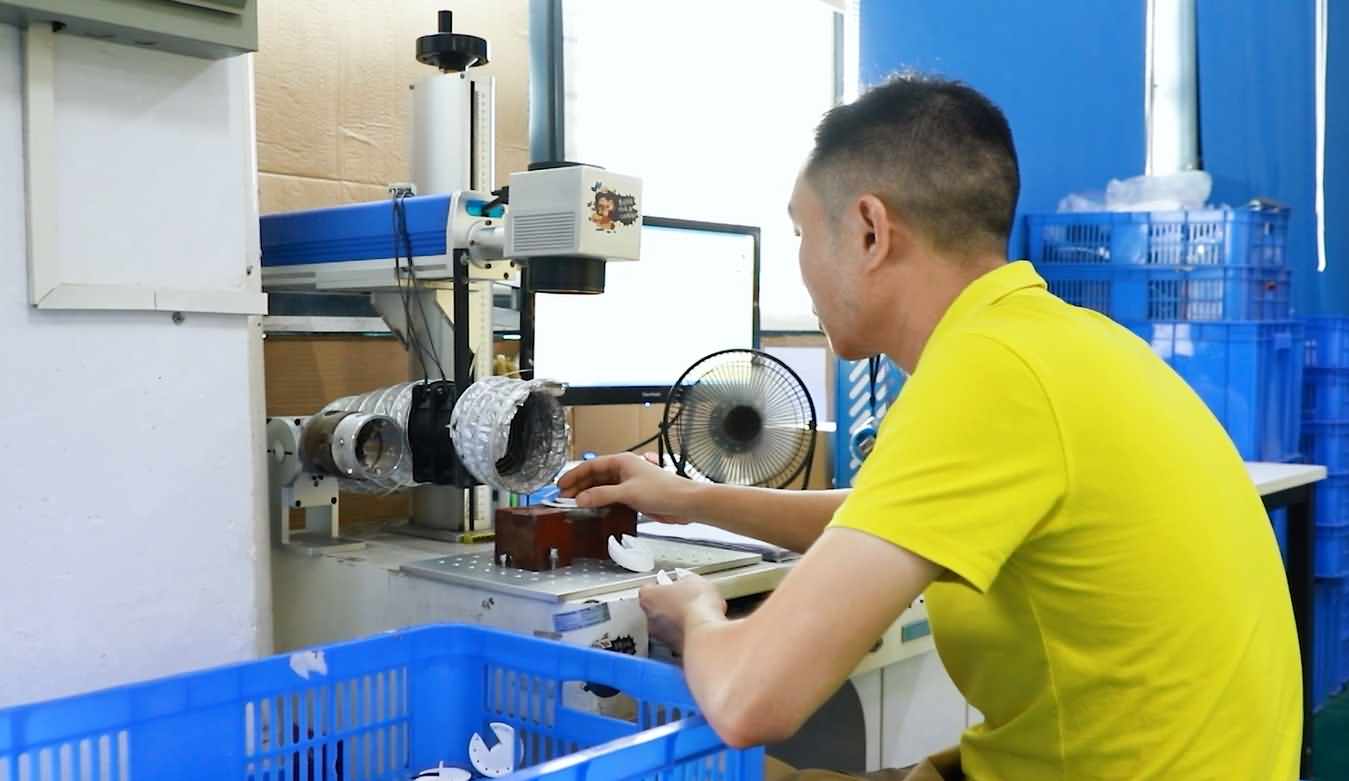
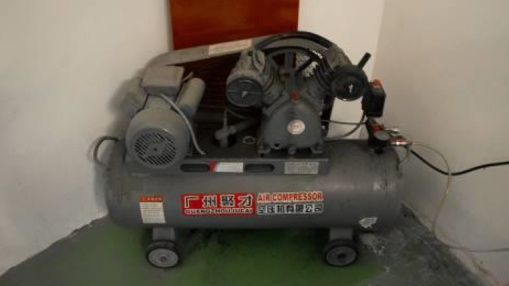
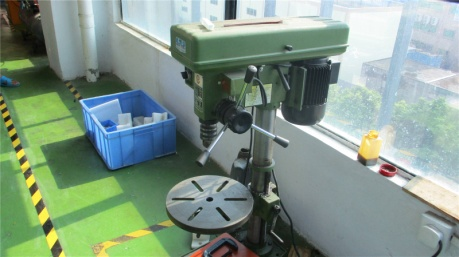
By managing all assembly stages internally, we can customize baffle colors, driver specifications (including Casambi, DALI-2, and phase dimming configurations), and physical mounting designs. Our products carry CE, CB, SAA, and RoHS certifications, offering seamless customs clearance and hassle-free integration into projects across Australia.
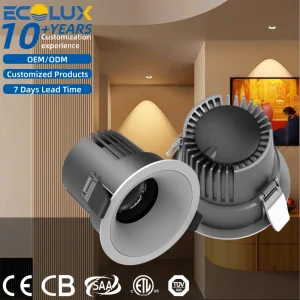
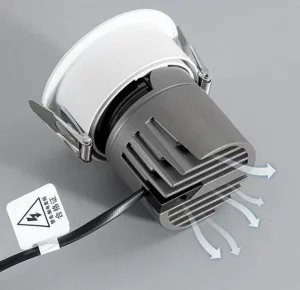
Explore our commercial-grade lighting catalog designed to meet the demands of commercial offices, high-end residential spaces, and retail environments across Melbourne. Every fixture is engineered for reliable heat dissipation, consistent light output, and low glare.
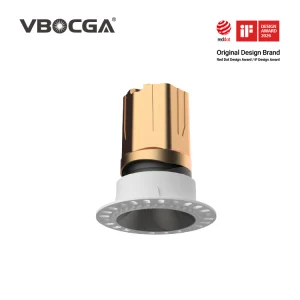
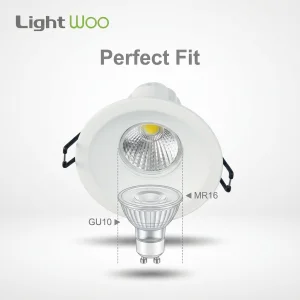
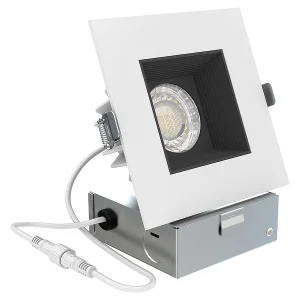
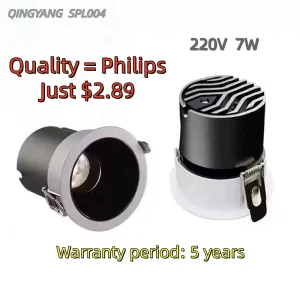
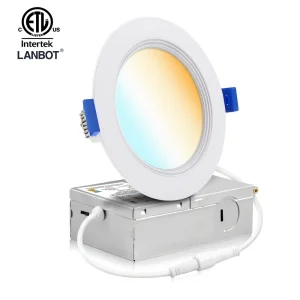
When importing downlights into the Australian market, particularly Victoria, understanding local regulations is critical to compliance. Key standards to consider include:
All imported electrical equipment must comply with the Electrical Safety Act. Electrical products are categorized into Declared and Non-declared categories. LED drivers and integrated LED fittings are classified under safety criteria requiring SAA approval or an equivalent recognized test certificate. Our manufacturing processes ensure that all driver configurations utilize certified components with valid SAA certification, protecting importers from liabilities and customs delays.
In Australia, ceilings are commonly layered with thermal insulation. A downlight without an insulation rating cannot be covered by or run close to standard building insulation. The IC-4 rating (Insulated Ceiling, 4-hour fire rating) designates that a fixture can be covered by and abutted by insulation material safely. Our deep-regressed designs use custom aluminum heatsinks that maintain driver-safe operating temperatures, ensuring compliance with Australian installation practices.
Under the Victorian Energy Upgrades (VEU) program, commercial properties in Melbourne can generate Victorian Energy Efficiency Certificates (VEECs) by upgrading to energy-efficient lighting. When supplying commercial projects, selecting luminaires with high lumens-per-watt efficiency (typically > 100 lm/W) and low glare profiles makes your bid competitive. Our deep baffle products are engineered to support energy-efficient design requirements, aiding in qualification for state-sponsored rebates.