Vactrim Light
Vactrim Light
Vactrim Light
In modern commercial architecture and high-risk industrial facilities, emergency LED lighting is not a mere compliance checklist item—it is an active life-safety system. A global increase in strict municipal construction codes, paired with the rapid expansion of smart cities, has driven significant technical evolution. The global emergency lighting market is undergoing a structural shift from standalone localized units to intelligent, networked configurations integrated with Building Management Systems (BMS).
Historically, Nickel-Cadmium (Ni-Cd) batteries dominated the emergency lighting sector. However, environmentally conscious legislation (such as RoHS guidelines in the EU) and the demand for thermal resilience have pushed manufacturers toward Lithium Iron Phosphate (LiFePO4) technology. LiFePO4 chemistry offers double the cycle life, lower self-discharge rates, and superior thermal characteristics in high-temperature industrial environments. Smart factories are leveraging these advances to implement automated self-testing capabilities (compliant with NFPA 101 and EN 50172), eliminating manual diagnostic workflows and lowering operational expenditure for facility managers worldwide.
Selecting an industrial partner requires analyzing regional compliances, structural engineering capabilities, and production stability. Below is our comprehensive evaluation of the ten leading manufacturers defining the industry.
Signify leads the global arena with its Philips emergency lighting systems and Dynalite controls. Known for pioneering integration, their products seamlessly link with IoT platforms. They specialize in self-testing luminaires and central battery systems optimized for massive transport hubs, high-rise commercial structures, and cleanroom factories.
Eaton's CEAG and Crouse-Hinds lines deliver heavy-duty emergency lighting solutions. They focus heavily on explosion-proof designs, high-bay emergency illumination, and central battery systems designed to endure harsh maritime, petrochemical, and manufacturing operations.
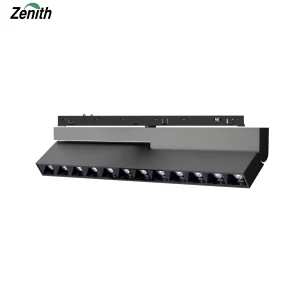
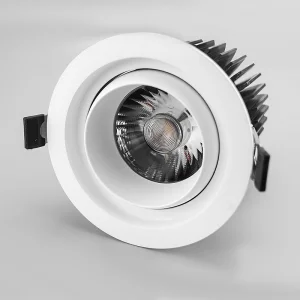
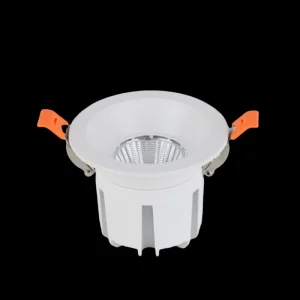
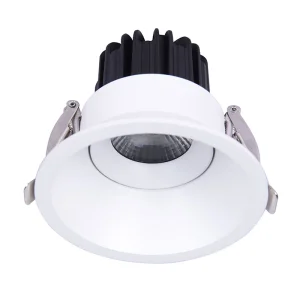
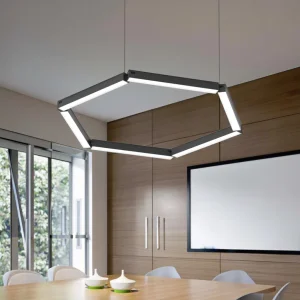
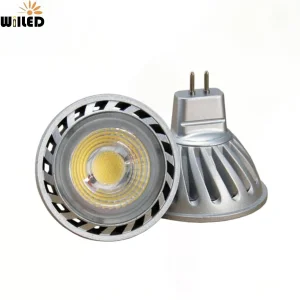
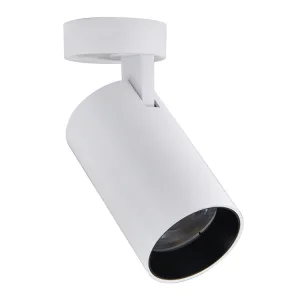
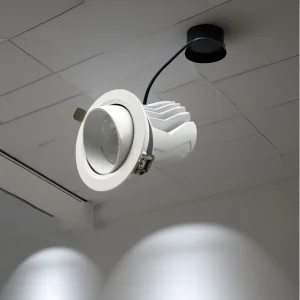
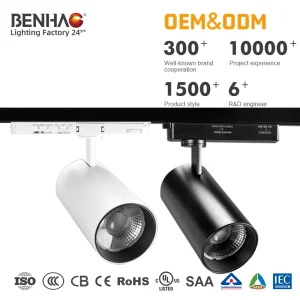
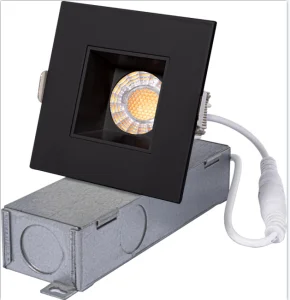
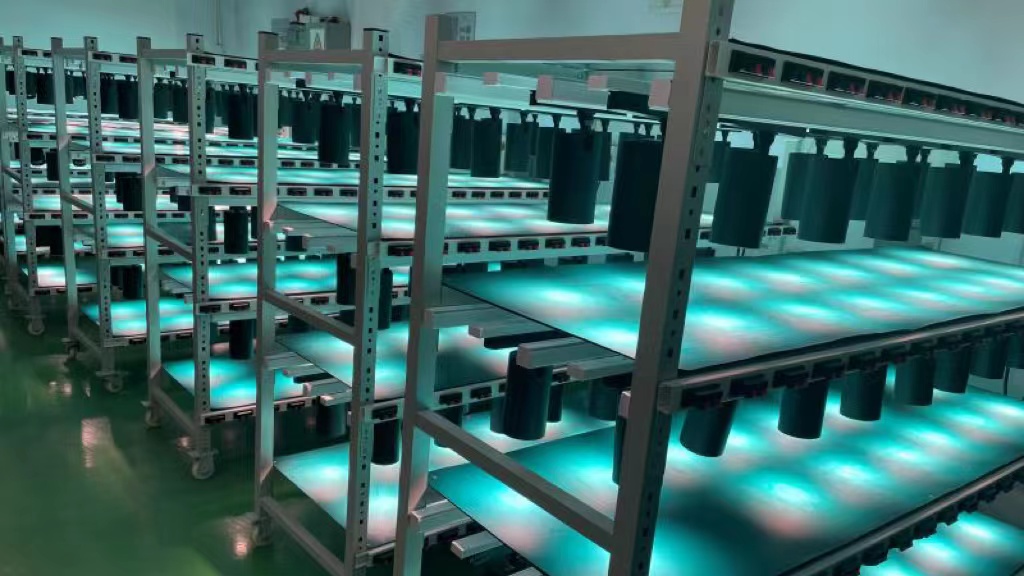
Founded in 2010, Guangdong Vactrim Light Co., Ltd. has positioned itself as a modern high-tech enterprise prioritizing innovation, quality, and specialized customization. By retaining a deep operational team with 10–15 years of industry experience, Vactrim bridges the gap between top-tier technical specifications and cost-competitive manufacturing. Their state-of-the-art facility integrates precise automated processing to supply downlights, track lights, and customized emergency integrations with outstanding thermal design and strict QC testing.
Legrand offers highly stylized, low-profile exit signs and escape path lighting. Their URA and Legrand-branded systems are renowned for rapid installation, modular battery packs, and remote monitoring compatibility using Zigbee or wired bus configurations.
Beghelli is synonymous with European high-design lighting. They are leaders in self-contained emergency lights featuring intelligent self-diagnosis (Logica system) and high-lumen density escape routes. They have pushed aggressively into photo-luminescent and hybrid emergency signage.
Zumtobel focuses on visual integration and minimal architectural footprints. Their RESCLITE series provides precision escape optics that project long, clear paths of light, minimizing the total fixture count required to meet standard Lux levels.
Schneider integrates emergency lighting directly into electrical distribution frameworks. Their Exiway range is tailored for high-volume commercial centers, combining safety metrics directly with EcoStruxure IoT cloud software dashboards.
Hubbell’s Compass and Dual-Lite brands are primary choices for US commercial facilities. They emphasize ease of installation, dual-voltage compatibility (120/277VAC), and highly rugged thermoplastic enclosures suitable for warehouses and parking structures.
RP-Technik is a technical powerhouse specializing in decentralized power supply systems (Low-Power Systems) and Central Battery Systems (CBS). Their engineering simplifies testing protocols and offers modular solutions for vast educational and hospitality campuses.
RZB combines high lighting design with technical emergency execution. Their safety luminaires integrate cleanly into linear lighting grids, maintaining architectural visual harmony while instantly switching to high-intensity emergency outputs during power failures.
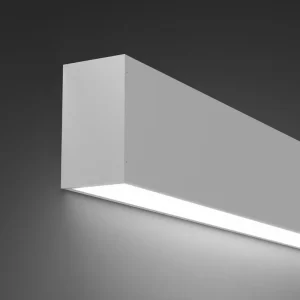
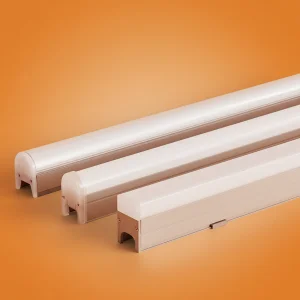
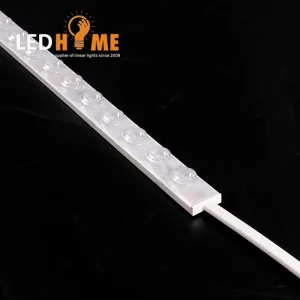
As highlighted in our ranking, Guangdong Vactrim Light Co., Ltd. stands out for its vertical manufacturing integration. By aligning structural commercial designs (like magnetic track lights and high-power linear spots) with strict manufacturing standards, Vactrim provides custom options crucial for commercial builders.
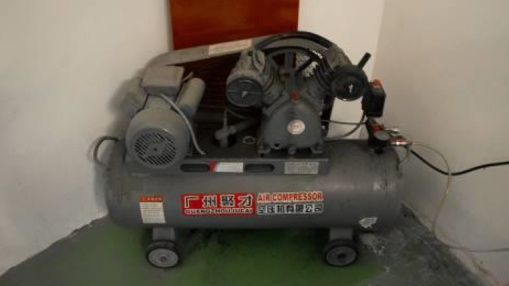
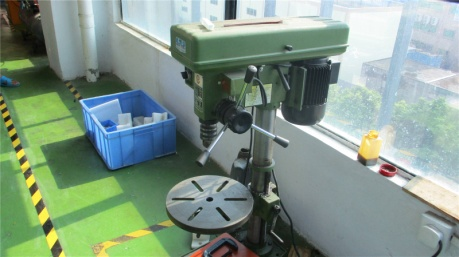
Below is the systematic manufacturing process employed in their modern facility, showcasing their compliance with the ISO 9001:2015 Quality Management System:
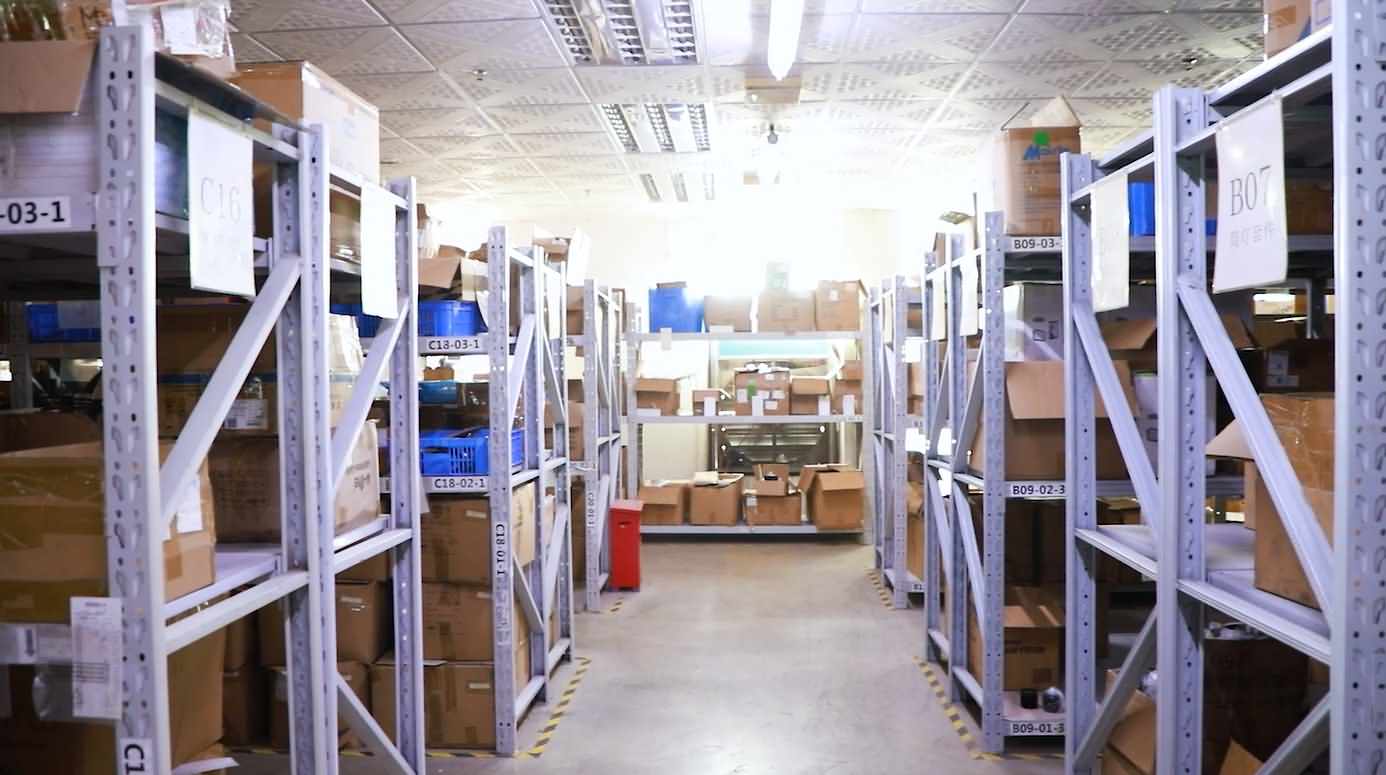
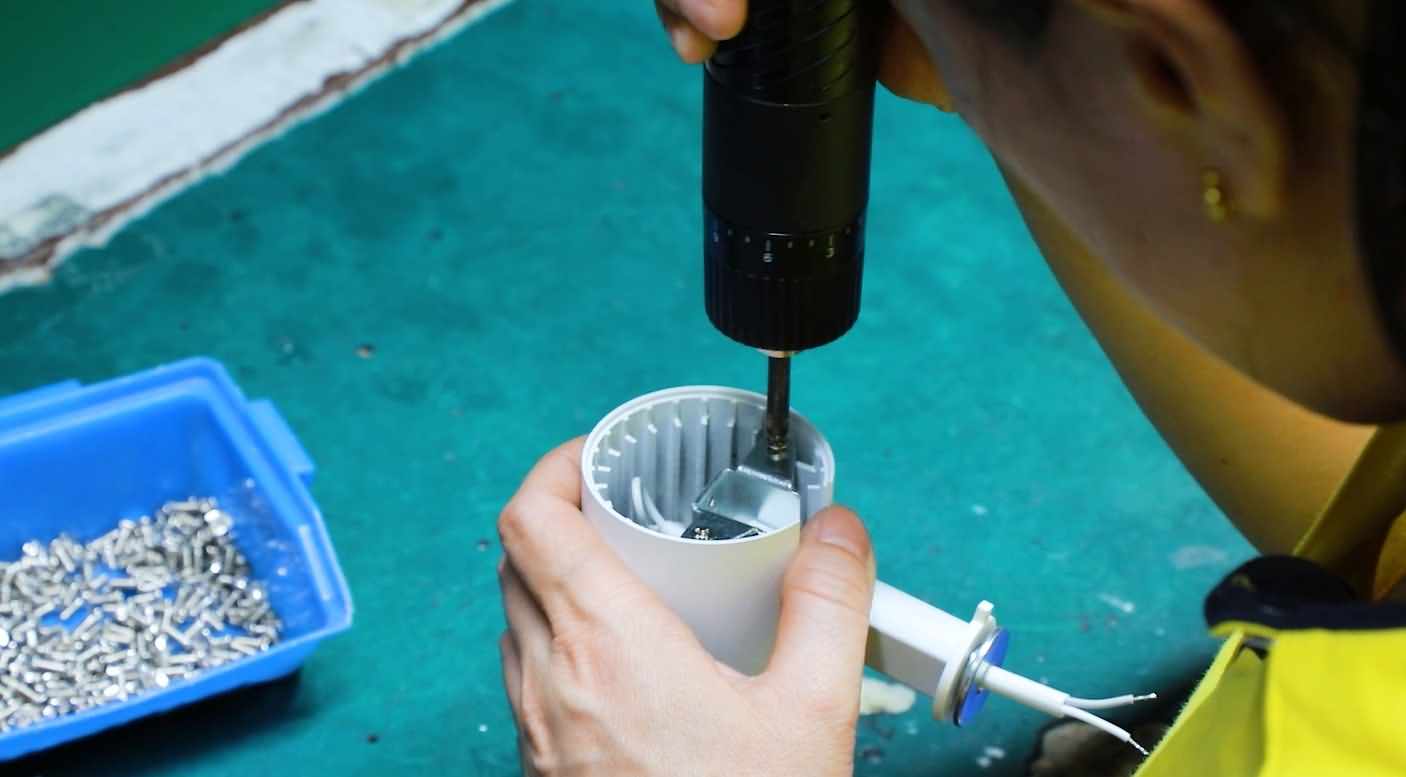
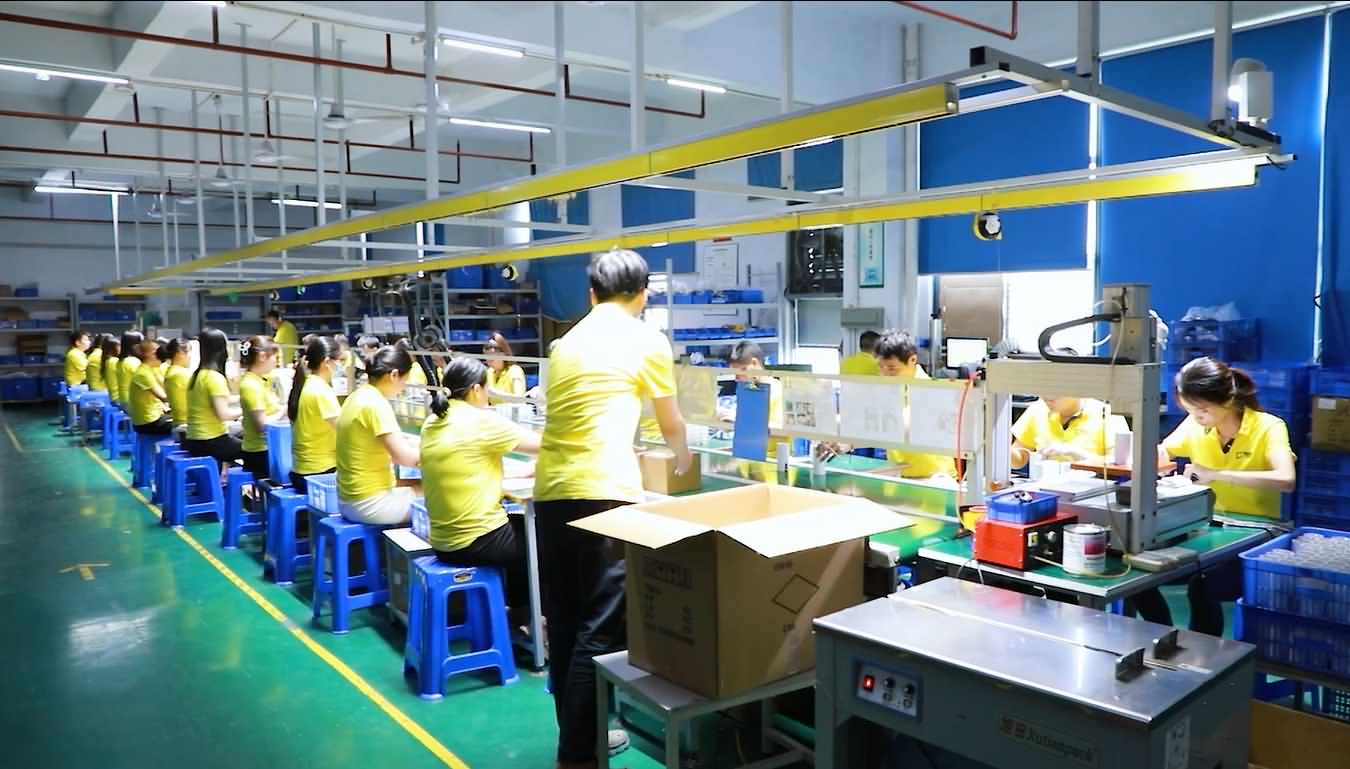
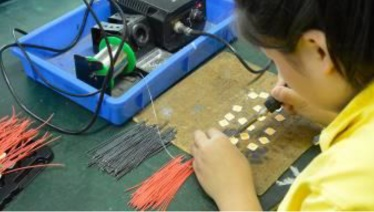
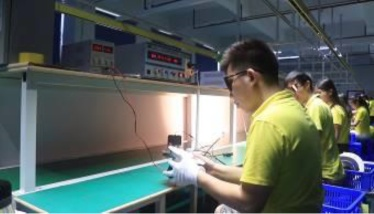
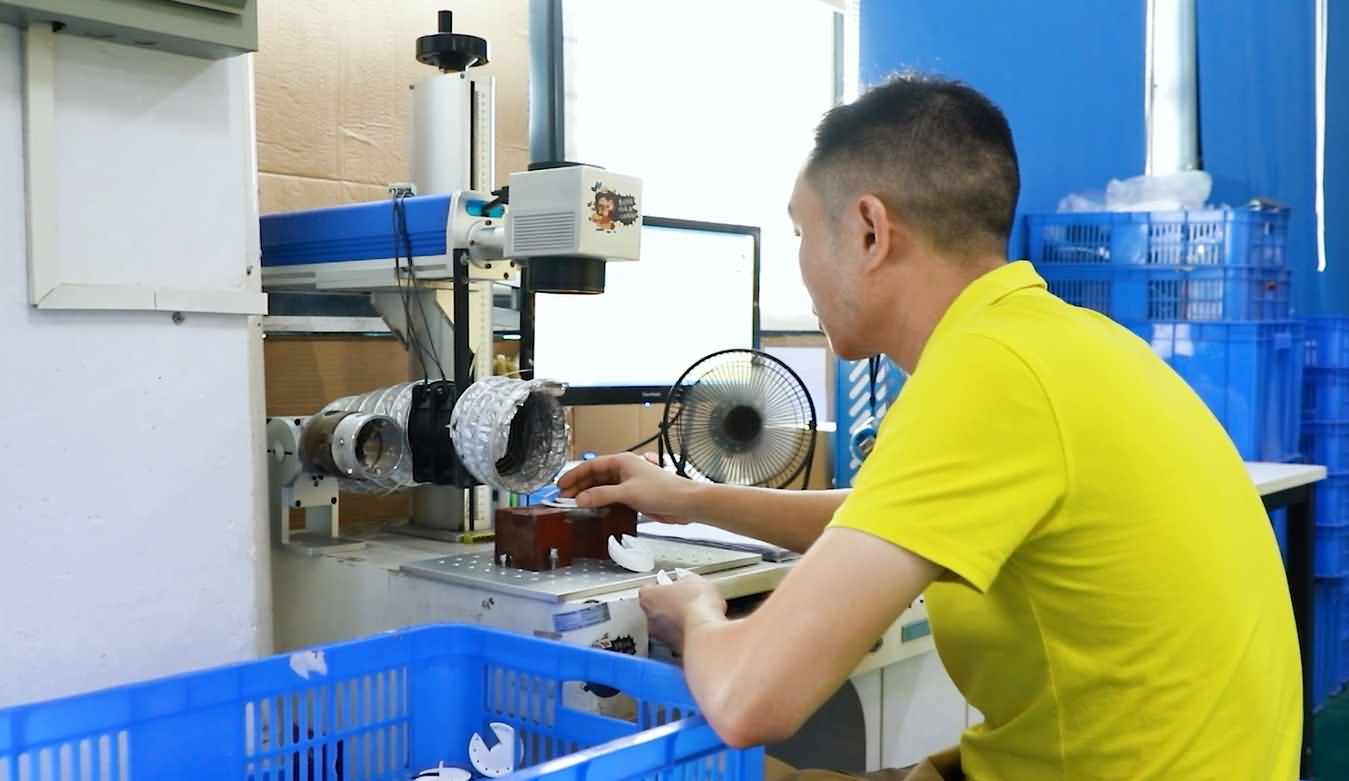
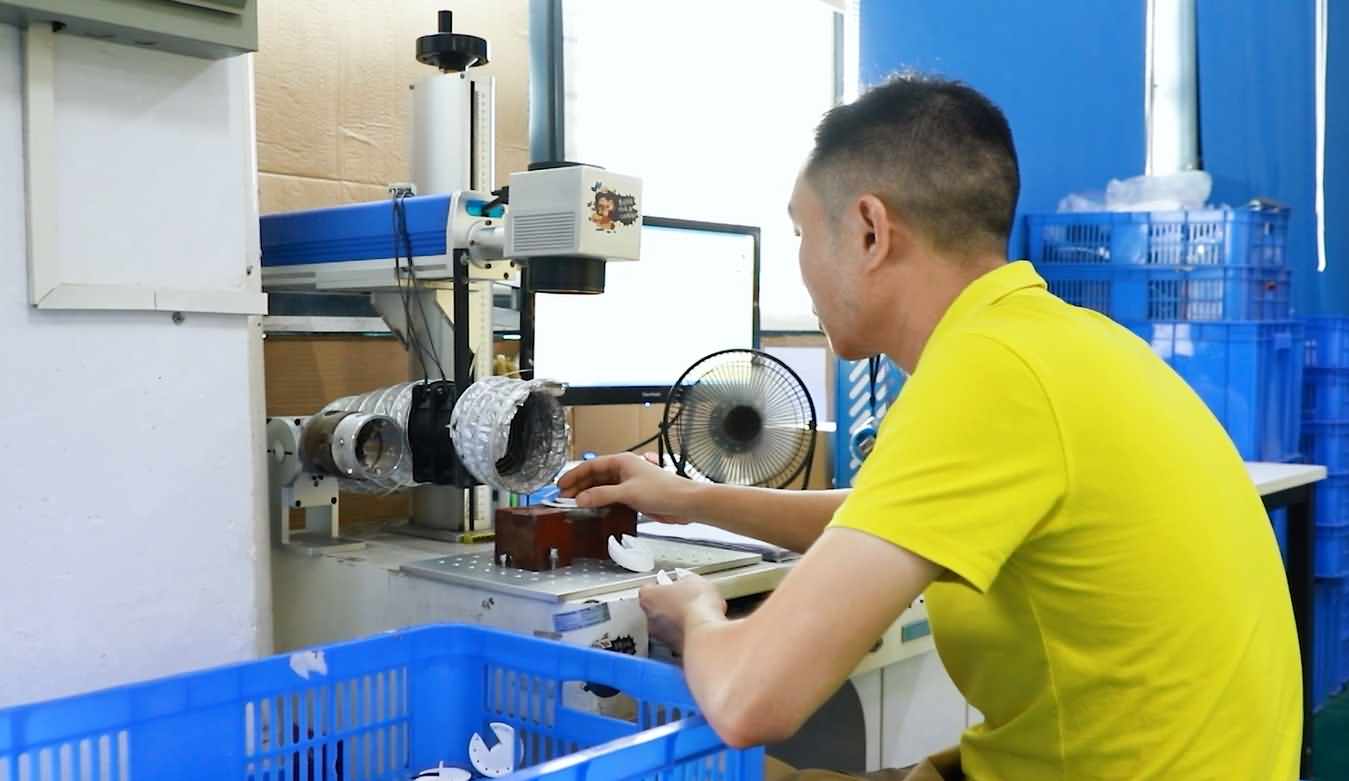

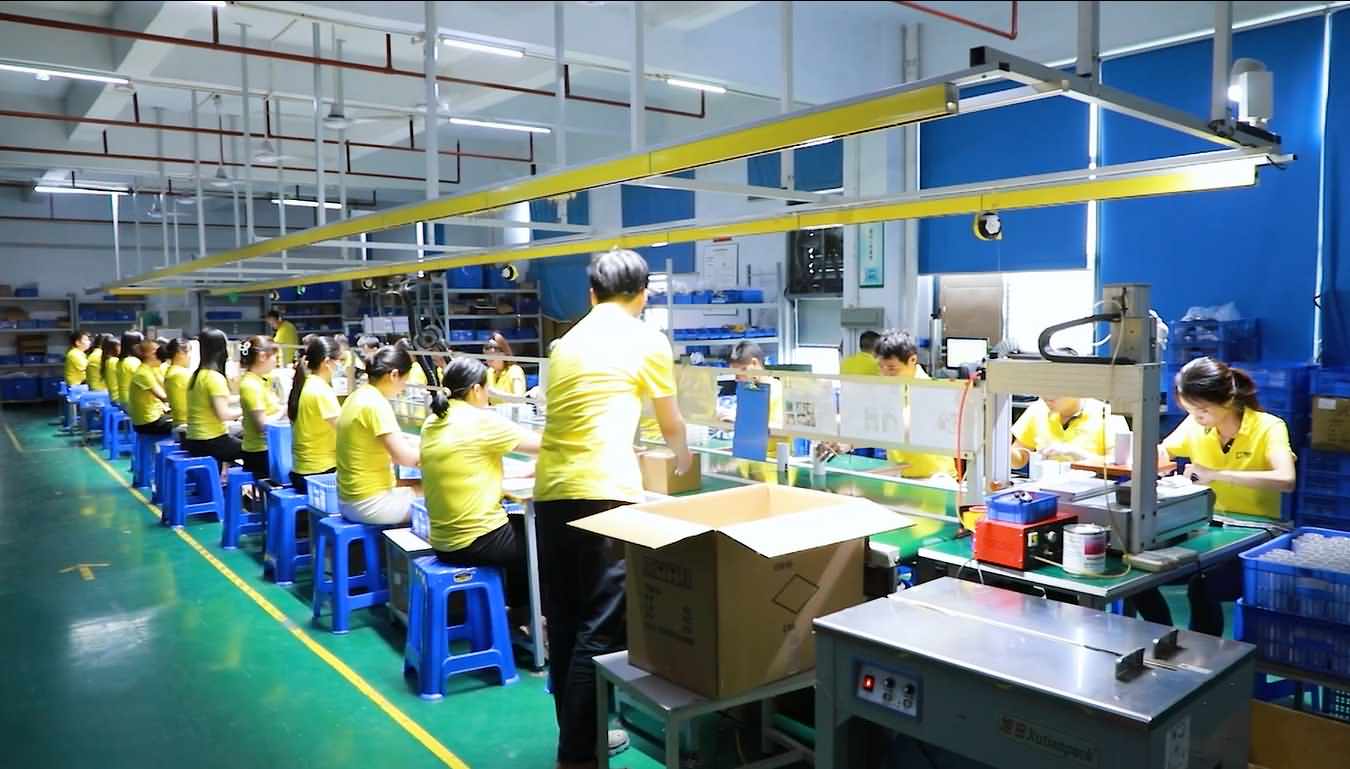
Our core management and technical team possesses more than 10–15 years of extensive experience in lighting product development, engineering, procurement, production management, and international business operations. This expertise enables us to provide professional support, efficient project management, and reliable OEM/ODM services for customers around the world.
Guided by the philosophy of "Innovation, Quality, Efficiency, and Customer Satisfaction," Vactrim strives to build long-term partnerships through continuous technological advancement, superior product performance, and exceptional customer service.
Operating safety lighting globally requires navigating a complex matrix of regulatory certificates. A failure to match localized electrical grids and fire safety mandates will delay occupancy inspections.
| Region | Primary Standard | Autonomy Requirement | Key Features |
|---|---|---|---|
| North America | UL 924, NFPA 101, Life Safety Code | 90 Minutes Minimum | Requires regular test buttons, dual 120/277V capability, and fire-resistant polymer housing. |
| European Union | EN 60598-2-22, EN 1838, CE | 60 / 180 Minutes | Maintains low-smoke zero-halogen cabling, focus on anti-glare, photobiological safety (RG0). |
| United Kingdom | BS 5266-1 | 180 Minutes (3 Hours) | Strict testing logbooks required, high focus on escape path lighting in historic renovations. |
| Australia & NZ | AS/NZS 2293 | 120 Minutes | Standardized classification codes (e.g., C0/D32) denoting exact photometrics for spatial calculations. |
At Vactrim, we streamline this process. Our compliance roadmap ensures that all exported commercial architectures have obtained CE, CB, RoHS, SAA, TUV, SASO, and other market-specific approvals, facilitating smooth access to global markets.
The traditional approach of manual test switches is fading. In large structures, locating a faulty luminaire is costly. The future of emergency lighting is digital, wireless, and integrated.
Utilizing DALI-2 wired loops or Bluetooth Mesh, emergency systems can now automatically transmit battery status, LED degradation, and localized driver temperatures directly to facility consoles.
Instead of placing separate batteries in every fixture, modern designs consolidate batteries in a secure, central fireproof room. This simplifies maintenance and extends structural design options.
Connected exit signs can receive live hazard location data from the smoke detection system, dynamically changing arrow directions to steer occupants away from fires or structural blockages.