Vactrim Light
When considering lighting solutions, many people ask, "what is the difference between track light and linear light?" To shed light on this topic, we turn to industry expert John Smith, who states, "Track lights offer flexibility, while linear lights provide a clean, streamlined look."
Track lights are versatile. They can be adjusted and focused on specific areas. This makes them popular in galleries and retail spaces. In contrast, linear lights create uniform illumination along a straight line. They're commonly installed in commercial settings for a modern aesthetic.
Choosing between these options can be challenging. Track lights may require more maintenance. The tracks need to be cleaned, and bulbs replaced periodically. Linear lights, however, have a lower profile but can be harder to install in certain spaces. Examining these details helps consumers make informed decisions based on their specific needs and preferences.
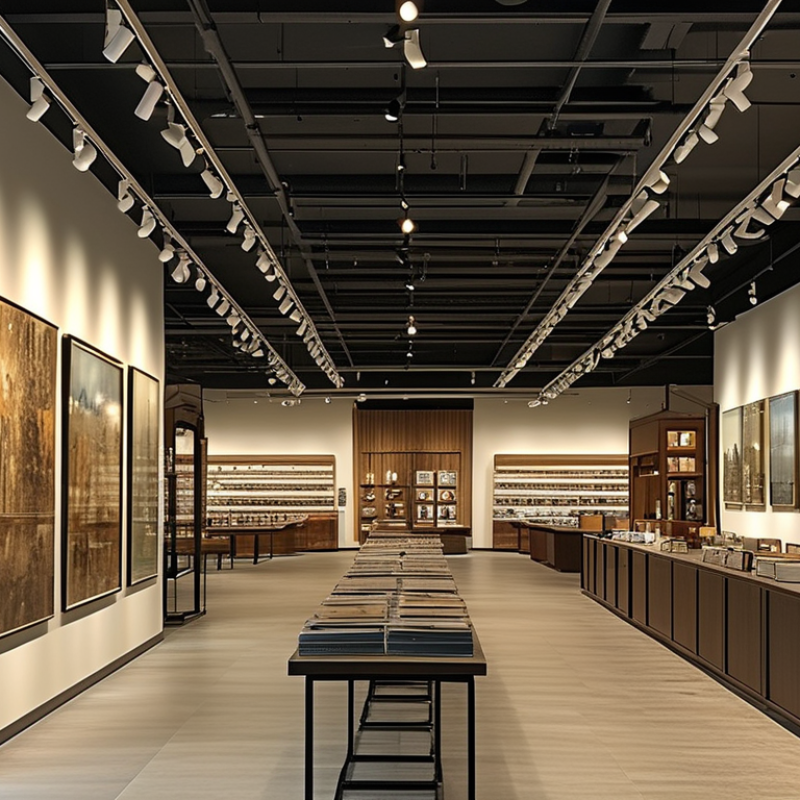
Track lights are versatile fixtures that offer targeted illumination. They consist of a series of lights attached to a track. This design allows for adjustable positioning. Users can easily direct the light where it’s needed most. This feature is ideal for accenting artwork or highlighting architectural details.
One notable characteristic of track lights is their flexibility. They can be installed in various settings, whether residential or commercial. Track lighting can complement modern décor or enhance more traditional spaces. This adaptability means they can fit different styles. However, some might find installation a bit complex. It requires planning and sometimes additional tools.
Another aspect is energy efficiency. Many track light systems use LED bulbs, which consume less power. This choice results in lower energy bills and longer bulb life. Still, while track lights can optimize your space, they might not provide uniform lighting. Careful placement is essential to avoid dark spots in larger rooms.
Linear lights are versatile lighting solutions that provide uniform illumination over extended areas. They are sleek and unobtrusive, often used along corridors, in offices, or above workspaces. Their design allows for an even distribution of light, minimizing shadows and enhancing visibility. This characteristic makes linear lights ideal for task-oriented environments.
When choosing linear lights, consider the type of fixture and light output. The color temperature can affect ambiance and functionality. Your space may benefit from warmer tones if you aim for a cozy atmosphere. Bright whites may be more suitable for work or study areas. Keep in mind the height of installation, as this can impact light efficacy.
Tips: Always measure your area before installation. Ensure the lights are mounted at a height that maximizes effectiveness. Consider incorporating dimmable options for added flexibility. Be mindful; while linear lights are efficient, positioning them incorrectly can lead to glare. Test your setup before making a permanent installation to evaluate its suitability.
| Characteristic | Track Lights | Linear Lights |
|---|---|---|
| Installation Type | Mounted on tracks | Fixed or suspended installation |
| Light Distribution | Adjustable beam angle | Even, linear light spread |
| Flexibility | Highly flexible | Limited flexibility |
| Usage Scenario | Spotlighting specific areas | General illumination |
| Design Versatility | Various fixture styles | Streamlined design |
| Installation Complexity | Moderate complexity | Simple installation |
| Energy Efficiency | Varies based on bulbs | Generally more efficient |
| Maintenance | Requires periodic bulb replacement | Less frequent maintenance |
| Cost | Moderate to high | Varies widely |
| Aesthetic Appeal | Modern and stylish | Sleek and minimalist |
When it comes to light distribution, track lights and linear lights serve distinct purposes.
Track lights are focused and directional. They illuminate specific areas, making them ideal for artwork or highlighting architectural details. These lights often create a warm ambiance while ensuring that the focus remains on the intended subject.
In contrast, linear lights provide even illumination across longer spaces. They are typically mounted in a straight line and cast light uniformly. This type of lighting works well in hallways or kitchens, enhancing visibility without dramatic shadows. The choice between these two depends largely on the layout of your space and the desired atmosphere.
Tips: Consider how much flexibility you need in your lighting. Track lights offer adjustable angles, while linear lights require less repositioning. It’s essential to evaluate your specific needs before making a decision. Assessing the area’s design can impact the effectiveness of your lighting approach, leading to better results.
When comparing track lights with linear lights, installation and flexibility are crucial factors. Track lights offer a modular design, allowing easy adjustments. You can reposition lights along the track effortlessly. This feature suits dynamic spaces where illumination needs change frequently. A study from the Lighting Research Center indicates that 75% of commercial users prefer the flexibility of track lighting for this reason.
Linear lights, however, often require more permanent installation. They are ideal for long-term settings, providing uniform lighting across direct spaces. Their installation can involve electrical work, making them less DIY-friendly. According to industry surveys, 65% of users indicated that linear lights enhance overall aesthetic coherence. This critical installation aspect can affect the choice between the two options.
Tips: Consider your space's purpose. If you need adaptable lighting, track lights might suit you best. Also, assess the ease of installation based on your skills and the complexity of wiring. Be aware that while installation costs may differ, choosing the right option can reduce future adjustments or replacements.
When considering aesthetic and design elements, track lights and linear lights offer distinct personalities to a space. Track lights are versatile, allowing users to adjust the direction of light with ease. This flexibility means they can showcase art pieces or highlight architectural features. Their modern appeal can create a dynamic atmosphere. However, they may not suit more traditional decor, leading to a visual clash.
Linear lights, on the other hand, provide a sleek and minimalist appearance. They work well in a variety of settings, from contemporary to industrial. The straight lines of linear fixtures can create a sense of order and harmony. Yet, this simplicity might also come off as plain or unremarkable in more eclectic designs. Both lighting types have their unique charm, but personal taste should dictate the choice. Balancing functionality with style remains a challenge, as one may overpower the other in any design scheme.
: Linear lights provide uniform illumination and minimize shadows in spaces. They are often sleek and unobtrusive.
You’ll find linear lights in corridors, offices, and over workspaces for task-oriented lighting needs.
Warmer tones create a cozy atmosphere. Bright whites are better for work and study areas.
Measure your area and decide on installation height. Test your setup before making it permanent.
Installation can be more permanent and may require electrical work, making it less DIY-friendly.
Track lights offer flexibility with modular designs, while linear lights often involve permanent setups.
They offer a minimalist appearance that suits contemporary and industrial designs.
Their simple design might seem plain in eclectic setups. Personal taste should guide your choice.
Yes, while they provide uniform lighting, they may lack a dynamic feel compared to track lighting.
Finding balance is tough; one aspect may overpower the other based on your design preferences.
The article "Top 10 Differences Between Track Lights and Linear Lights" explores the distinct characteristics of both lighting options, answering the question, "what is the difference between track light and linear light." Track lights are known for their versatility and ability to focus light on specific areas, making them ideal for highlighting art or architectural features. In contrast, linear lights provide a more uniform illumination, suitable for general lighting in spaces such as hallways and offices.
The comparative analysis covers aspects like light distribution, installation methods, and design aesthetics. Track lights offer greater flexibility in positioning, allowing users to adjust the direction of the light fixtures easily. On the other hand, linear lights contribute to a sleek, modern look and are often integrated into ceilings for a seamless appearance. Understanding these differences can help consumers choose the best lighting solution for their specific needs.
