Vactrim Light
Choosing the right lighting solution is vital for commercial spaces. One key factor is the Color Rendering Index (CRI). CRI significantly affects how colors appear under artificial light. Expert Sarah Johnson, a lighting designer with over a decade of experience, emphasizes, “A good CRI transforms a space, enhancing both aesthetics and functionality.”
Understanding why CRI is important for commercial lighting involves more than just numbers. High CRI values improve color accuracy and impact customer perceptions. This is crucial in retail environments where products need to shine. Yet, many overlook this aspect.
Some businesses focus solely on Lumens and energy efficiency. While these factors matter, neglecting CRI can lead to disappointing results. Lighting may fail to showcase products effectively, negatively affecting sales. Thus, assessing CRI is essential for creating inviting and appealing commercial spaces.
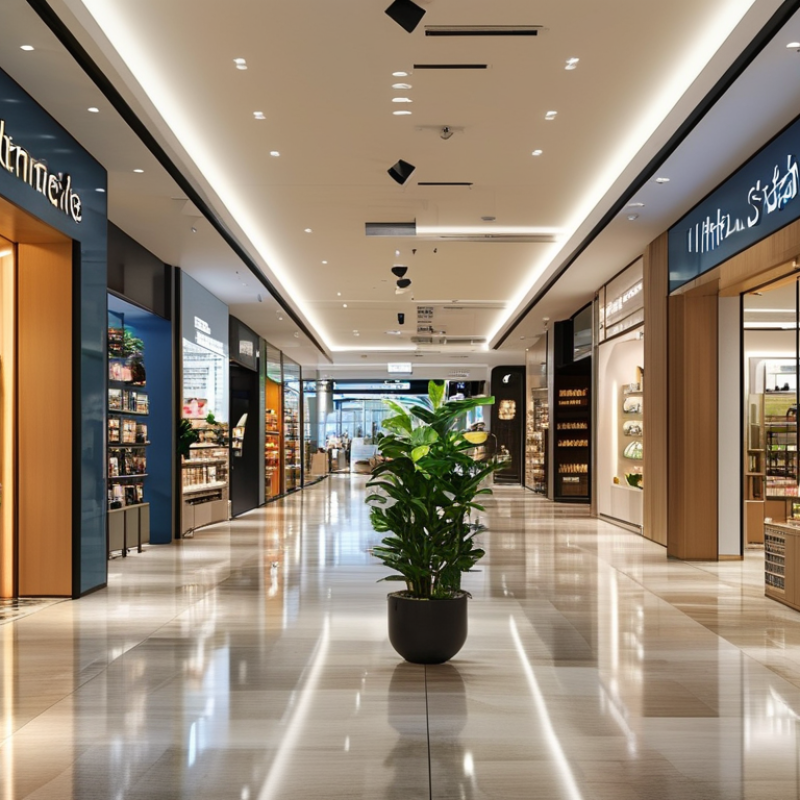
Color Rendering Index (CRI) is an essential metric in commercial lighting. It measures how accurately colors appear under a light source compared to natural light. A high CRI means colors look vibrant and true to life. For businesses, this is crucial. Customers may feel more drawn to products that look appealing under proper lighting.
Choosing the right CRI can significantly impact the ambiance of a space. In retail, poor color rendering can lead to customer hesitation. Imagine a clothing store where shirts look different under artificial light. This disconnect can harm sales. Similarly, in galleries and showrooms, true color representation is vital. Artwork and products must be displayed in their best light.
However, focusing solely on CRI might overlook other factors. For example, energy efficiency and brightness must also be considered. A light source with a high CRI might consume more power. It's vital to balance aesthetics and practicality. Businesses must continually evaluate their lighting choices to meet changing needs. Observing how colors interact with light can lead to better decisions in the long run.
Color Rendering Index (CRI) is a critical factor in commercial lighting solutions. It measures how accurately a light source displays colors compared to natural light. A high CRI value indicates better color reproduction. This is essential in retail settings, where product presentation impacts customer decisions.
Lighting affects human perception and mood. For instance, a workspace with higher CRI enhances visual clarity. Employees can recognize colors accurately, leading to better performance. However, achieving ideal CRI ratings is not always straightforward. Factors like light source type and spectral power distribution significantly influence these ratings.
Tips: Consider the purpose of your space when choosing lighting. For art galleries, a higher CRI is a must. However, in warehouses, lower CRI might suffice. Assess your specific needs carefully.
Another influencing factor is the color temperature of the light. Warmer lights, typically around 2700K to 3000K, create a cozy atmosphere. Cooler lights, above 4000K, are often more energizing. Striking the right balance is essential for functionality.
Remember, the context matters. A restaurant may thrive with soft lighting, while a workshop needs brightness. Understanding these nuances can lead to better decision-making in lighting solutions.
| Lighting Type | CRI Rating | Color Temperature (K) | Lumens per Watt | Typical Applications |
|---|---|---|---|---|
| LED | 80-98 | 2700-6500 | 80-150 | Retail, Offices, Showrooms |
| Fluorescent | 60-90 | 3000-6500 | 35-100 | Offices, Schools, Warehouses |
| Halogen | 95-100 | 2700-3000 | 10-20 | Accent Lighting, Retail, Hospitality |
| Incandescent | 95-100 | 2700-3000 | 10-17 | Residential, Restaurant, Retail |
| CFL | 65-80 | 2700-4000 | 35-60 | Residential, Offices |
Color Rendering Index (CRI) plays a pivotal role in commercial lighting solutions. It significantly influences color perception. The right CRI can enhance the visibility of a product's true colors, making it especially crucial in retail settings. Imagine a clothing store where lighting distorts colors. Customers may misjudge the quality and hue of fabrics, leading to dissatisfaction.
In work environments, the impact of CRI is equally vital. Proper lighting boosts productivity and reduces eye strain. Consider an art studio where artists rely on accurate color representation. Poor lighting with low CRI can mislead their creativity. It's frustrating when the final artwork looks vastly different under natural light.
Different environments require tailored CRI levels to meet specific needs. Restaurants seek warmth and coziness, while hospitals focus on clearly defined colors for health assessments. A mismatched CRI can compromise the intended atmosphere or function of a space. Reflecting on these aspects, those responsible for lighting design must weigh the balance between aesthetics and functionality to enhance both experience and safety.
When selecting commercial lighting solutions, Color Rendering Index (CRI) stands out as a vital metric. CRI measures how accurately a light source reveals the true colors of objects. It ranges from 0 to 100, with values above 80 considered good for commercial use. High CRI lighting enhances the appearance of products, making them more appealing to customers.
Many businesses focus solely on energy efficiency and brightness, neglecting CRI. Lighting that is energy efficient but has a low CRI can distort colors. This may lead to poor customer experiences. For instance, in a retail environment, colors that appear dull can diminish sales.
Tips: Always check the CRI rating when selecting lighting. A higher CRI will help ensure that colors appear vibrant and lifelike. Evaluate the needs of your space. In areas where color representation matters, such as salons or galleries, prioritize CRI over other metrics.
While lumens and wattage are important, they should never overshadow CRI. This metric’s importance is especially evident in food services or fashion retail, where color perception is key. Rethink your lighting strategy; balancing all factors is essential for creating an inviting atmosphere.
When choosing commercial lighting solutions, Color Rendering Index (CRI) is a vital factor. It measures how accurately a light source reveals the colors of various objects. The higher the CRI, the better the colors appear. A CRI of 90 or above is often recommended for environments needing accurate color representation, such as art galleries or retail shops.
The American National Standards Institute (ANSI) states that a CRI of at least 80 is sufficient for most indoor environments. This standard applies to offices and classrooms. However, many professionals argue that CRI alone is not enough. Factors like color temperature and luminance should also be considered. Lighting design can often fall short. Poor implementation of high-CRI lights may lead to harsh shadows or glare, which detracts from visual comfort.
In a study by the Lighting Research Center, it was found that adequate lighting improves productivity by 20% in office settings. This indicates that lighting quality matters significantly. It’s essential to balance CRI with other parameters for optimal results. Making informed decisions about these factors can enhance both aesthetics and functionality in any commercial setting.
: CRI measures how accurately light displays colors compared to natural light.
A high CRI enhances color visibility, which impacts customer decisions and product presentation.
Higher CRI improves visual clarity, helping employees recognize colors accurately and boosting productivity.
Yes, the type of light source and its spectral power distribution affect CRI ratings significantly.
Warmer lights, around 2700K to 3000K, create a cozy and inviting environment.
Different settings require different lighting: soft light for restaurants, bright light for workshops.
Low CRI can mislead color representation, frustrating artists as final works may differ greatly from true colors.
Energy-efficient lights with low CRI can distort colors, leading to poor customer experiences and lost sales.
A higher CRI is essential in places like salons and galleries, where accurate color representation matters greatly.
Balance CRI, brightness, and energy efficiency to create an inviting atmosphere while meeting specific needs.
Understanding CRI, or Color Rendering Index, is essential for selecting the right commercial lighting solutions. CRI measures how accurately a light source reveals the true colors of objects compared to natural light. This is particularly important for businesses that prioritize visual clarity and color accuracy, such as retail or art galleries. Key factors that influence CRI ratings include the type of light source and its spectrum distribution, which can significantly impact the way colors are perceived in different environments.
When discussing why CRI is important for commercial lighting, it's crucial to compare it with other lighting metrics, such as lumens and color temperature. While these metrics measure brightness and warmth, CRI specifically focuses on color fidelity. Best practices for selecting lighting should include analyzing CRI ratings to ensure the chosen solutions enhance color perception and create a suitable ambiance for the intended commercial space. Ultimately, understanding and applying CRI effectively can lead to better customer experiences and improved overall aesthetics in commercial settings.
