Vactrim Light
In the evolving world of interior lighting, homeowners and designers are increasingly faced with a choice: why choose trimless downlights over recessed ones? Industries are noting a significant shift in preference. A report from the American Institute of Architects indicates that trimless designs create a seamless aesthetic. This is particularly appealing in residential and commercial spaces seeking minimalistic decor.
Trimless downlights offer a clean, unobtrusive look. They blend effortlessly with ceilings, eliminating bulky borders that often come with recessed fixtures. In a survey conducted by the Lighting Research Center, over 70% of respondents preferred the modern appeal of trimless options. However, some may wonder about installation complexity and costs. Achieving that sleek look may involve higher initial investments.
Despite these challenges, the benefits are substantial. Trimless downlights provide greater flexibility in design and enhance the overall ambiance of a space. They can accentuate architectural features and improve lighting efficiency. Thus, the question remains, why choose trimless downlights over recessed ones? The answer lies in their unique blend of aesthetics and functionality, making them an increasingly popular option.
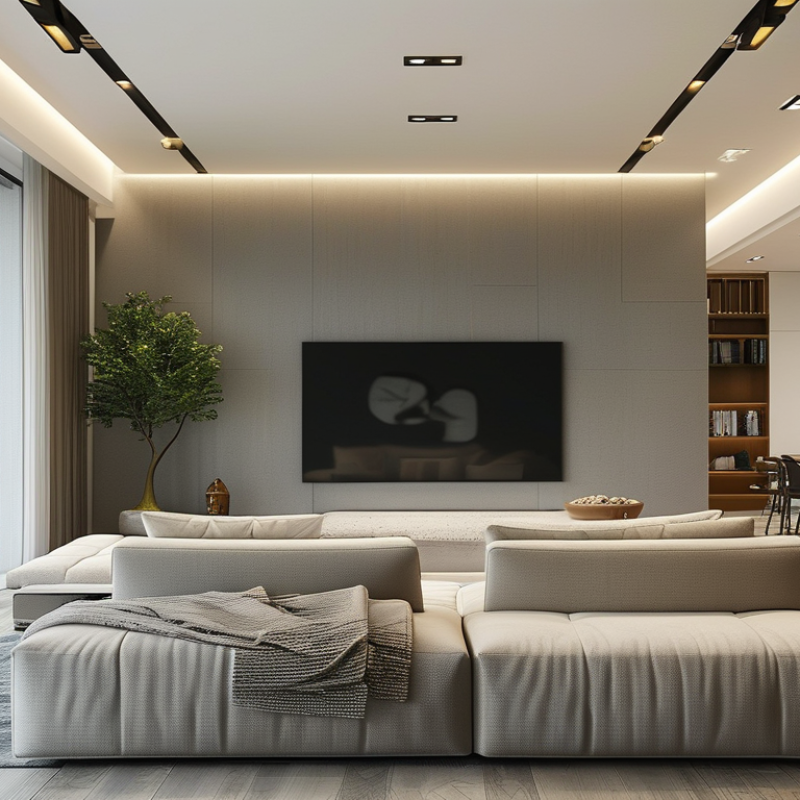
Trimless downlights offer a sleek, modern aesthetic that enhances any space. Unlike traditional recessed lighting, they eliminate visible trims. This leads to a clean, uninterrupted ceiling line. According to the American Lighting Association, almost 62% of homeowners prefer a minimalist look, making trimless fixtures increasingly popular.
In terms of performance, trimless downlights often provide better light distribution. A report from the Lighting Research Center shows that these fixtures can achieve up to 30% more uniform lighting. This means fewer dark spots and a more pleasant ambiance. Additionally, energy-efficient LED options are widely available, with up to 80% energy savings compared to older lighting technologies.
However, trimless installations require more planning and effort. They often involve ceiling modifications and can be more challenging for DIY enthusiasts. It’s essential to assess these factors to avoid potential mishaps. Evaluating your ceiling type and space dimensions is crucial to ensuring this choice enhances your design.
Trimless downlights offer a sleek, minimalist design that blends seamlessly into modern interiors. Unlike traditional recessed lighting, which often disrupts the flow of a ceiling, trimless options create a continuous surface. This design choice enhances the aesthetic appeal of a space. According to a report by the American Institute of Architects, nearly 70% of homeowners prioritize aesthetics when selecting lighting fixtures.
The seamless integration of trimless downlights allows for versatile applications. They can highlight artwork, accent architectural features, or provide ambient light. With nearly 50% of interior designers favoring trimless designs, these lights are becoming a go-to option. Their ability to disappear into the ceiling creates a clean look, which is especially important in contemporary design. This attention to detail reflects a commitment to style.
However, it's essential to consider the installation challenges. Trimless downlights require precise cutting and finishing during installation. Any errors can lead to an unsatisfactory visual outcome. This potential for mistakes makes it crucial to use experienced professionals. Ultimately, the decision to choose trimless downlights over traditional recessed lighting should weigh both aesthetic desires and practical considerations.
Trimless downlights offer exceptional versatility in lighting design. Their seamless installation creates a minimalist aesthetic, allowing for a clean and modern look. This makes them ideal for various applications, from residential spaces to commercial environments. The absence of visible trims enhances the visual flow of any room.
In homes, trimless downlights accentuate architectural features. They provide ambient lighting while allowing for specific task lighting in kitchens or offices. Restaurants and retail spaces utilize these fixtures to create inviting atmospheres. However, installation requires precision. A small error can disrupt the intended seamless effect.
While trimless designs are innovative, they may not suit all settings. Maintenance can be more challenging than with traditional recessed lighting. Resources may be needed for future bulb replacements. Despite potential drawbacks, the usability of trimless downlights remains advantageous. They adapt well to various lighting needs, proving their worth in modern design.
When considering trimless downlights versus recessed lighting, installation complexity plays a crucial role. Trimless fixtures require precise framing and often a skilled electrician for installation. This adds to the project timeline and may increase costs. Ensuring the right measurements and exact placement is vital. Miss a detail, and the entire aesthetic can be compromised.
In contrast, recessed lighting offers a simpler approach. Installation typically involves standard cuts in the ceiling, making it easier for DIY enthusiasts. However, it can result in visible trims that disrupt the clean lines. While trimless lighting creates a seamless appearance, the need for meticulous alignment can deter some homeowners. It forces a critical reflection on personal abilities and project management skills. Balancing ambition with realistic execution is key when making a choice between the two.
This chart compares various factors affecting the choice between trimless downlights and recessed lighting. The scores are based on a scale of 1 to 10, where a higher score indicates better performance in that factor.
Trimless downlights offer a sleek, modern aesthetic while enhancing energy efficiency. Their design allows for better integration into ceilings, reducing visible fixtures and creating a seamless look. This minimalistic approach can lead to improved light distribution, making spaces feel larger and more inviting. Many homeowners are shifting towards trimless options for both practicality and aesthetics.
From a sustainability perspective, trimless downlights often utilize LED technology. LEDs consume significantly less energy compared to traditional bulbs, which reduces overall electricity usage. Additionally, this reduction in energy consumption translates into lower carbon emissions. The lifespan of LEDs is also notably longer, meaning less frequent replacements and reduced waste.
While the benefits are clear, it is essential to consider installation. Trimless downlights may require more precise installation and cutting into ceilings, which can be challenging for DIY enthusiasts. Mistakes during installation can lead to issues with alignment and lighting quality. Potential buyers should assess their experience level before committing to this lighting choice. Balancing aesthetics and energy efficiency is critical, but the process can seem daunting for some.
: Trimless downlights are lighting fixtures that provide a sleek design by eliminating visible trims.
They offer a modern aesthetic that many homeowners find appealing. A clean ceiling line is a big draw.
They can deliver up to 30% more uniform lighting compared to traditional options. This reduces dark spots effectively.
Yes, they use LED technology, leading to up to 80% energy savings compared to older bulbs.
Installations may require precise cutting into ceilings, which can be tough for DIY enthusiasts.
Consider the ceiling type and space dimensions carefully before installing trimless options. Mistakes can lead to misalignment.
Installation can be challenging. Evaluate your DIY skills to avoid potential issues with lighting quality.
Yes, they consume less energy and last longer, reducing waste and carbon emissions overall.
They require more effort and planning, which may be overwhelming for some. Proper evaluation is necessary.
Better light distribution makes spaces feel larger and more inviting, enhancing the overall experience in a room.
When considering why choose trimless downlights over recessed ones, the benefits are clear. Trimless downlights offer a seamless aesthetic appeal that integrates beautifully with modern interior designs, creating a clean and sophisticated look. Their versatility in lighting design allows for various applications, catering to both functionality and style in residential or commercial settings.
Moreover, installation of trimless downlights tends to be less complex, as they require fewer structural modifications compared to traditional recessed lighting. This not only simplifies the installation process but also contributes to better energy efficiency, making trimless options a sustainable choice for eco-conscious consumers. Ultimately, the combination of aesthetic, functional, and environmental advantages makes trimless downlights an appealing alternative in contemporary lighting solutions.
