 Vactrim Light
Vactrim Light
Vactrim Light
Creating an optimal work environment in modern offices involves carefully considering various factors, including lighting. One commonly debated topic is, "what is the best color temperature for modern offices?" Research indicates that the right color temperature can significantly impact productivity and employee wellness. According to a study published by the International Journal of Environmental Research and Public Health, lighting influences not only focus but also mood.
A common recommendation is to use cool white light, typically between 4000K and 5000K. This range mimics daylight, promoting alertness and concentration. However, what works for one workplace might not suit another. Some reports suggest warmer tones (3000K to 4000K) can create a more relaxed atmosphere. This indicates a need for a tailored approach based on the specific nature of the work environment.
Yet, there is no one-size-fits-all solution. The effectiveness of color temperature can vary among teams and tasks. Recognizing this can encourage leaders to engage employees in discussions about lighting preferences. It’s essential to keep evaluating lighting conditions regularly. Ensuring the right balance can lead to better productivity and overall job satisfaction.
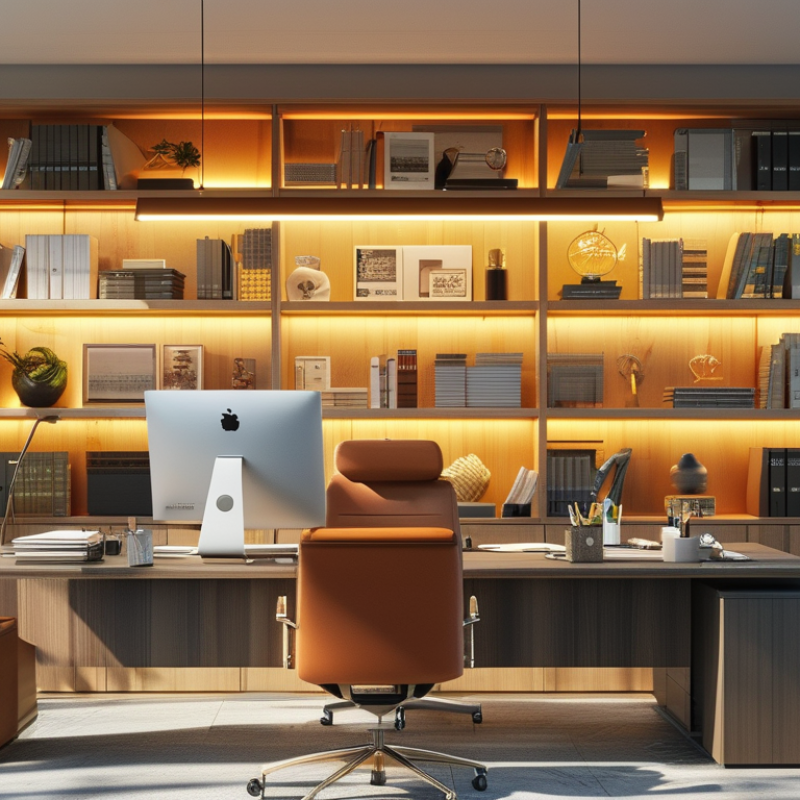
Color temperature plays a crucial role in modern office design. It refers to the warmth or coolness of light, measured in Kelvins (K). The right color temperature can enhance productivity and mood. For instance, cooler lights (around 5000K) can improve focus, making them suitable for task-oriented work areas. In contrast, warmer lights (around 3000K) create a cozy atmosphere, perfect for relaxation zones.
Understanding color temperature is vital for optimizing workspace. It affects not just visibility but also employee well-being. Many professionals report feeling more energized in well-lit environments, while dim spaces can lead to fatigue. However, it's important to note that preferences can vary among individuals. Some may thrive under bright lights while others prefer softer, warmer tones.
Reflecting on this, office designers must consider various factors, including the nature of work and individual needs. Ignoring these aspects can lead to discomfort and decreased productivity. Striking the right balance is essential. Ultimately, creating a versatile lighting scheme can cater to diverse preferences while enhancing the overall work environment.
: Natural light boosts mood and energy. It creates a pleasant environment, reducing fatigue and enhancing motivation.
Wide windows and glass partitions allow sunlight to enter. This increases light exposure and improves employee well-being.
Yes, excessive natural light can create screen glare. Adjusting window shades helps maintain a comfortable light balance.
Cooler temperatures around 4000K to 5000K enhance focus. They mimic daylight, keeping workers engaged in detailed tasks.
Warmer light, around 2700K to 3000K, encourages relaxation and creativity. This warmth facilitates brainstorming and collaboration.
No, it often requires trial and error. Each office space is unique, making adjustments necessary to meet diverse needs.
Bright, cooler light invigorates, while softer, warmer light offers comfort. This variation can uplift morale during meetings.
Employee reactions to lighting vary. Continuous feedback helps refine the lighting strategy to benefit everyone in the office.
Yes, artificial lighting should complement natural light. The right mix creates a more inviting and stimulating workplace environment.
Adjustments can take time. Not all employees thrive under the same conditions, requiring thoughtful consideration and flexibility.
In modern office environments, understanding color temperature is crucial for creating a productive workspace. What is the best color temperature for modern offices? Generally, cooler color temperatures around 4000K to 5000K are recommended for areas where concentration and task performance are required, while warmer temperatures around 2700K to 3000K are ideal for collaborative spaces that promote relaxation and creativity.
The balance of natural and artificial lighting also plays a significant role in enhancing employee productivity. By adjusting color temperature to suit specific tasks—such as using cooler light for focused work and warmer light for brainstorming sessions—offices can significantly improve employee effectiveness and well-being. Adapting these lighting strategies can lead to a more dynamic and efficient work atmosphere.
