Vactrim Light Vactrim Light

7 Benefits of Tunable White Linear Lights for Buyers?

Time:2026-09-17 Author:Mason
0%

Choosing linear lighting is no longer only about brightness, length, or appearance. Buyers also need to consider how light changes throughout the day. Tunable white linear lights allow users to adjust color temperature, often from warm white to cool white, while maintaining a consistent linear form. A practical question is: what is the benefit of tunable white linear lights? The answer depends on the space, control system, installation quality, and daily lighting requirements.

In offices, warmer light can support a calmer atmosphere during breaks, while cooler settings may improve visual alertness during detailed tasks. Retail stores can create different product impressions without replacing fixtures. Hotels, schools, healthcare environments, and residential interiors may also benefit from more adaptable illumination. Better comfort. More control.

For buyers, the main advantages may include improved user experience, flexible scene setting, potential energy savings, and longer-term design value. However, these benefits are not automatic. A poorly selected driver, limited dimming range, or incompatible control protocol can create flicker and frustration. Natural daylight, wall colors, mounting height, and glare also affect performance. Small details matter.

Reliable evaluation should include photometric data, color rendering information, control compatibility, warranty terms, and real installation samples. Buyers should request testing at the intended brightness levels, not only review catalog images. Tunable lighting can be powerful, but it is not magic. The best decision balances visual comfort, technical reliability, maintenance needs, and project budget. Some projects may not need advanced color adjustment at all. Careful comparison remains essential.
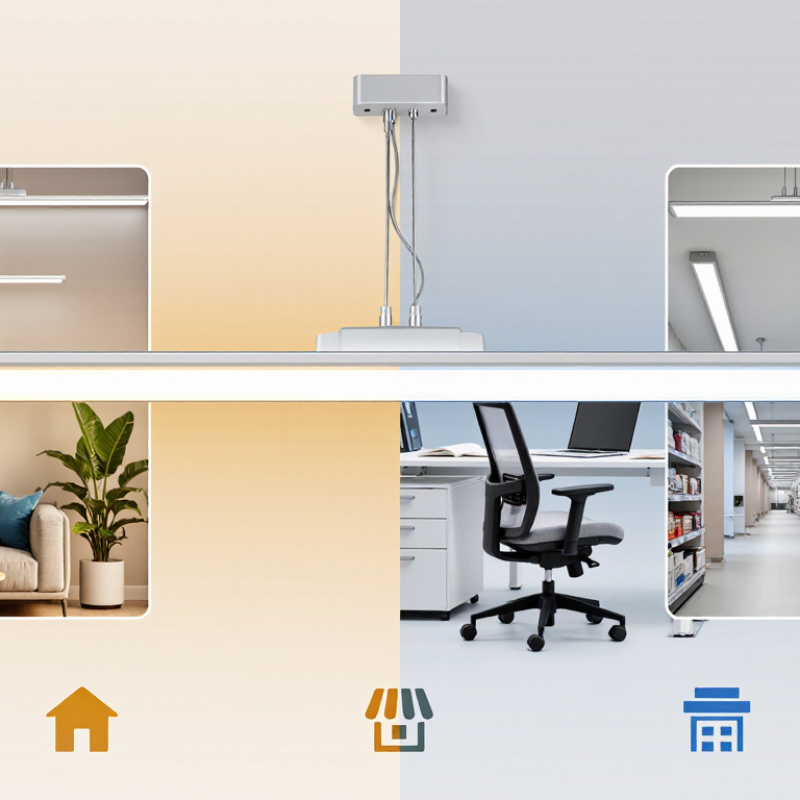
7 Benefits of Tunable White Linear Lights for Buyers?

What Tunable White Linear Lights Are and How They Work

Tunable white linear lights combine warm and cool LED channels inside one continuous fixture. Their correlated color temperature, or CCT, can shift from about 2700K to 6500K. A digital driver adjusts current between these channels. More warm output creates a softer appearance. More cool output produces a crisper white.

Control may come from wall switches, 0–10V systems, DALI, or networked lighting platforms. Many fixtures also support dimming, but CCT range and color consistency depend on the LED package and driver quality. The U.S. Department of Energy’s Solid-State Lighting research identifies improved efficacy, controls, and color quality as major development priorities. Buyers should therefore check measured data, not rely only on marketing language.

The practical value is flexibility. A retail aisle can use neutral white during business hours and warmer light during evening cleaning. Offices can reduce glare with lower output and warmer CCT. The International Energy Agency reports that lighting uses roughly 15% of global electricity consumption, so efficient control can matter at building scale. Still, tunable white is not automatically energy-saving. Poor commissioning may leave fixtures at maximum output all day. That is an easy mistake. Look for LM-79 test reports, dimming behavior, warranty terms, and color-maintenance data. The Illuminating Engineering Society also stresses measured photometric performance when evaluating lighting systems. Human responses vary, too. Warmer light may feel comfortable, but it cannot replace good glare control, daylight design, or thoughtful installation.

How Adjustable Color Temperature Improves Visual Comfort

Tunable white linear lights improve visual comfort by matching light to the task and time of day. A 3000K setting can soften a reception area, while 4000K can sharpen contrast for reading. Higher settings may help alertness, but cooler light is not automatically better. Human comfort is messier.

EN 12464-1:2021 recommends 500 lux and a Unified Glare Rating of 19 or lower for many office tasks. These figures support comfortable reading, yet they do not explain every complaint.

CIE 117:1995 calculates glare through brightness, position, and background contrast. Glossy desks and screens can still create reflections. That limitation matters.

CIE S 026/E:2018 also introduces melanopic equivalent daylight illuminance, showing why ordinary lux cannot describe every biological response.

Tips:

Test three scenes before buying.

Use 3500–4000K for computer work, then try 2700–3000K during evening use.

Check the fixture from seated eye level.

Measure glare near screens, not only beneath the light.

Keep controls simple, or staff may ignore them.

Logging comfort for one week is more reliable than trusting a showroom impression. A perfect schedule rarely exists.

How Tunable White Lighting Supports Productivity and Well-Being

Tunable white linear lights can shape the visual character of a workplace throughout the day. They adjust from warmer white, near 2700K, to cooler white, often around 5000K or higher. This range helps match changing tasks and daylight conditions.

Cooler light can improve visual alertness during detailed morning work. It may help employees read drawings, review spreadsheets, or inspect equipment with less visual strain.

Warmer light can create a calmer setting during afternoon meetings or focused computer work. The effect is practical, not magical. Light cannot replace ventilation, reasonable workloads, or proper rest.

Well-being also depends on control. Occupants should have simple scene settings, rather than face constant automatic changes.

Excessive brightness can cause glare on screens and polished desks. Poorly diffused fixtures may create shadows across work surfaces.

A buyer should check UGR performance, color rendering, dimming stability, and compatibility with daylight sensors. Flicker matters too, especially for people sensitive to visual discomfort.

A thoughtful installation uses brighter, cooler scenes when daylight is weak and softer scenes later. Yet personal preference varies. Some employees may feel distracted by rapid color changes. Testing one zone before a full installation is wiser than trusting a showroom display. Measure desk-level light, ask users for feedback, and adjust the schedule after real working hours reveal its weaknesses.

How One Lighting System Increases Design and Application Flexibility

7 Benefits of Tunable White Linear Lights for Buyers

How One Lighting System Increases Design and Application Flexibility

Tunable white linear lights let one fixture shift across different color temperatures, often from warm 2700K to cool 6500K. Designers can create a calm lobby at 3000K, then support detailed cleaning at 5000K. The same ceiling line can serve offices, retail areas, classrooms, and healthcare spaces. Fewer fixture types can simplify procurement, installation, and future room changes. That matters when floor plans keep evolving.

Control also improves operational flexibility. Dimming, scheduling, occupancy sensors, and daylight response can adjust output throughout the day. The U.S. Department of Energy reports that advanced solid-state lighting could reduce national lighting energy use substantially by 2035 compared with conventional systems. The International Energy Agency identifies lighting as roughly 15% of global electricity consumption. Even modest control improvements deserve attention. Energy savings are not automatic.

Color quality still requires professional evaluation. CIE guidance warns that lighting appearance and visual comfort cannot be reduced to one universal setting. Buyers should review color rendering, flicker performance, driver compatibility, and measured lumen output. A 4000K setting may look excellent on a specification sheet but feel harsh in a reflective room. That weakness matters. Commissioning is often overlooked, especially when installers receive limited control training. Designers should test scenes on site, beside real materials, furniture, and daylight. A practical system is flexible, but not endlessly forgiving.

How Energy Efficiency and Smart Controls Reduce Operating Costs

Tunable white linear lights can reduce operating costs when their controls match real room use. In a typical office, lights often run at full output despite empty desks. Occupancy sensors can dim or switch off unused zones. Daylight sensors can reduce output near windows during bright afternoons. Small adjustments matter.

Energy efficiency is only one benefit. LEDs usually consume less power than older fluorescent systems and require fewer replacements. Tunable white settings can also support different tasks. Cooler light may suit detailed morning work, while warmer light can create a calmer atmosphere later. Scheduled changes reduce manual adjustments and help maintain consistent lighting.

Smart controls provide measurable data. Facility teams can review operating hours, dimming patterns, and fault alerts from a central interface. This makes maintenance more planned and less reactive.

However, savings are not automatic. Poor sensor placement, confusing interfaces, or incorrect commissioning can waste energy. I have seen lighting systems ignored because staff found the controls difficult. Simple presets often perform better than complicated choices.

Installation quality matters. A room-by-room test should confirm brightness, comfort, and response time before full deployment. Payback also depends on electricity prices, occupancy, ceiling height, and existing equipment. Buyers should request verified performance data and a realistic control strategy, not just attractive efficiency claims.

What Buyers Should Evaluate Before Choosing a Tunable White System

7 Benefits of Tunable White Linear Lights for Buyers

Buyers should evaluate performance before admiring a wide color range. Tunable white systems can support visual comfort, task changes, daylight coordination, and flexible room atmospheres. However, these benefits depend on accurate control and suitable optics. Check the correlated color temperature range, color consistency, color rendering, and dimming behavior. A 2700K–6500K range sounds impressive. It may not suit every space.

Ask for TM-30 data, not only CRI. IES TM-30 evaluates fidelity and gamut more thoroughly across many colors. Also request flicker measurements, especially for offices, classrooms, and production areas. IEEE 1789 provides guidance for reducing health risks linked to temporal light modulation. The U.S. Department of Energy’s 2020 Energy Savings Forecast projected LED lighting could represent 86% of installed U.S. lighting by 2035. That forecast concerns LED adoption, not automatic tuning savings.

Controls deserve equal attention. Confirm compatibility with DALI-2, 0–10V, wireless protocols, sensors, and building-management systems. Review minimum dimming levels, transition speed, emergency operation, and commissioning procedures. Ask whether efficacy changes at warmer settings. It often does. A system that saves energy only after careful programming may disappoint buyers expecting instant results. Request independent test reports, LM-79 performance data, LM-80 component testing, warranty terms, and replacement policies. Seven advertised benefits are useful only when measured in the actual room.

7 Benefits of Tunable White Linear Lights for Buyers

Comparative buyer-evaluation scores show which benefits commonly deserve the most attention when selecting a tunable white system.

Tunable white systems can adjust correlated color temperature, typically from warm white to cool white, allowing buyers to adapt light scenes for comfort, tasks, daylight coordination, and scheduled operation. The scores are a practical comparison framework rather than laboratory measurements. Before choosing a system, also verify CCT range, dimming performance, control compatibility, color consistency, installation requirements, and warranty support.

FAQS

How can tunable white linear lights reduce operating costs?

Occupancy sensors dim or switch off lights in empty zones. Daylight sensors reduce output near bright windows. Small changes matter.

Do LED systems always deliver immediate savings?

Not always. Savings depend on electricity prices, occupancy, ceiling height, and existing equipment. Poor programming can weaken the result.

How do occupancy sensors work in offices?

They detect movement and adjust lighting in occupied areas. Empty desks should not remain fully illuminated for hours.

Can daylight sensors improve efficiency?

Yes. They lower output near windows during bright afternoons. Workers may notice little change when sensors are calibrated correctly.

What lighting settings can support different tasks?

Cooler white light may suit detailed morning work. Warmer settings can create a calmer atmosphere later. Preferences still vary.

What should buyers check beyond the color range?

Review color consistency, color rendering, flicker, dimming behavior, and minimum output. A 2700K–6500K range may sound impressive, but it may not fit every room.

Which control features deserve careful evaluation?

Check sensor compatibility, building-system integration, dimming limits, transition speed, and emergency operation. Simple presets often outperform confusing interfaces.

How can facility teams verify real performance?

Request independent test data, efficiency measurements, component testing, warranty terms, and replacement policies. Then test one room before wider installation.

Why is commissioning important for smart lighting?

Room-by-room testing confirms brightness, comfort, and response time. I may be too optimistic, but installation quality often decides the outcome.

Conclusion

Tunable white linear lights allow users to adjust the color temperature of illumination, ranging from warm, relaxing tones to cool, energizing white light. By matching lighting conditions to different activities, these systems can improve visual comfort, reduce glare and eye strain, and create more suitable environments for offices, classrooms, retail spaces, healthcare facilities, and homes. They can also support productivity and well-being by providing brighter, cooler light during active periods and softer, warmer light during rest or evening hours. For buyers asking “what is the benefit of tunable white linear lights,” the answer includes greater flexibility, improved user experience, and more control over the atmosphere of a space.

A single tunable system can support multiple design goals and applications, reducing the need for separate fixtures. When combined with smart controls, scheduling, occupancy sensors, and dimming, it may also lower energy consumption and operating costs. Before choosing a system, buyers should evaluate color-temperature range, brightness, color quality, control compatibility, installation requirements, durability, maintenance, and total cost.

Mason

Mason

Mason is a seasoned marketing professional with a deep expertise in the company's offerings and a passion for driving brand awareness. With a strong background in digital marketing strategies, he has an innate ability to connect with diverse audiences and effectively communicate product benefits.......